City hotel
Tighter and more controllable
Preparation, ceremony, portraits and reception may happen inside one operational system. That usually makes weather backup, guest movement and late-night returns easier to control.
The strongest Medellín timelines usually look calmer than they felt in the planning stage. That calm comes from leaving room for mountain weather, family movement, road timing and the difference between a city hotel day and a finca day in Oriente Antioqueño. This guide focuses on how to build that margin without making the wedding feel over-managed.
The point is not to force every wedding into the same twelve-hour template. It is to understand which parts of the day need protection: preparation, guest movement, ceremony timing, family groups, portraits, cocktail flow and late-night transport. Once those are protected, the schedule can still feel relaxed.
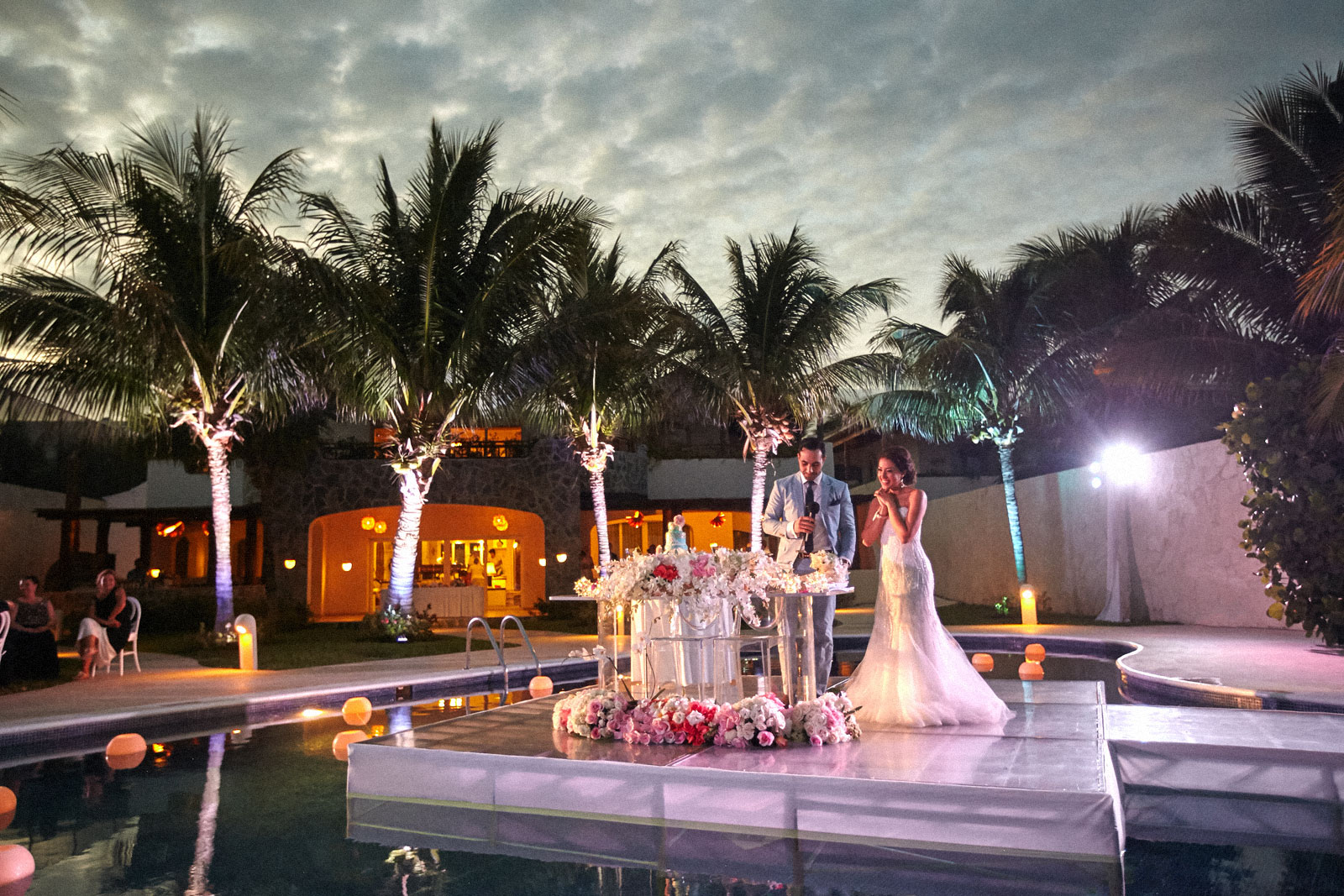
Couples often start the timeline with the ceremony hour and then work outward. In Medellín, it is usually more helpful to start with friction. Where are people sleeping? Is the ceremony in the same property as the reception? Does the family structure require more formal photographs? Is the wedding in the city or in Oriente? Is there a religious ceremony with fixed timing? Those decisions shape how much buffer the day needs long before anyone decides the exact portrait hour.
The city and the countryside also behave differently. A hotel wedding in El Poblado can be compact, vertical and efficient. A finca wedding may feel more spacious and more beautiful, but usually needs stronger transportation logic. Destination weddings add one more layer because guest movement and hospitality timing become part of the schedule, not background details.
Preparation, ceremony, portraits and reception may happen inside one operational system. That usually makes weather backup, guest movement and late-night returns easier to control.
The day can feel open and beautifully paced, but only if travel, rain options and family movement are handled honestly from the start.
Airport arrivals, welcome events, room blocks and late-night transport are no longer side notes. They shape how much energy guests still have on the wedding day.
Religious ceremonies deserve separate mention. Church timing can be fixed, which means the rest of the day must bend around it. That may include earlier hair and makeup, a first look, a tighter portrait block or more disciplined family-photo organization. Large family groups create similar pressure. The issue is not that family photos take too long; it is that they become chaotic when the list is unclear and the group is not staged in advance.
Build more time than the hair-and-makeup estimate alone suggests. Dressing, family entry, room cleanup and the emotional slowdown before leaving often matter as much as the styling itself.
A first look can release pressure in almost any Medellín format, especially when family groups are large or the ceremony hour is fixed. It is less about trend and more about schedule control.
Outdoor ceremonies benefit from a realistic pre-ceremony hold, a rain backup that is visually acceptable and enough margin that guests are not still arriving as the procession begins.
These move quickly only when the family list is finalized and one person from each side knows how to call people forward.
Medellín usually rewards portrait blocks that are short, intentional and timed around cloud softness or the last part of the afternoon rather than harsh midday light.
The transition matters. If cocktail hour is too long because dinner is not ready or guests are still in transit, the day begins to feel operational instead of celebratory.
| Timeline factor | City hotel wedding | Finca / Oriente wedding | Destination wedding weekend |
|---|---|---|---|
| Getting-ready movement | Usually compact | May involve more room separation | Often tied to guest arrivals and room-block strategy |
| Ceremony timing risk | Usually weather-controllable | Higher dependence on rain and transport | May be affected by guest stamina from earlier events |
| Portrait strategy | Can happen quickly between hotel spaces and short outdoor exits | Usually broader, but more dependent on ground conditions and cloud cover | May benefit from a separate welcome-day or brunch-day portrait opportunity |
| Late-night transport | Often easier | Needs stronger planning | Critical if many guests are not local |
11:30 Hair and makeup finishing touches, detail photos, room reset.
12:30 Getting dressed, immediate family enters, candid coverage.
1:15 First look in a quiet terrace or interior transition space.
1:45 Couple portraits and wedding-party portraits.
2:30 Family photos with key groups before guests fully gather.
3:30 Downtime, hydration, final room touch-ups, guest arrival begins.
4:30 Ceremony.
5:00 Short post-ceremony family cleanup and a brief portrait reset if needed.
5:20 Cocktail hour.
6:30 Dinner seating and reception opening.
8:00 Toasts or formalities while guest energy is still centered.
9:15 Dance floor opens.
11:30 onward Late-night transport in waves if guests are not staying in the same property.
This format works well because the day does not spend too much energy moving between locations. It is strongest when the couple wants a guest-friendly celebration with a polished operational rhythm.
10:30 Hair and makeup begins with extra margin for distance and room changes.
12:30 Detail coverage and venue atmosphere while preparation continues.
1:30 Dressing, family arrivals, quiet indoor portraits if weather is unstable.
2:15 First look and couple portraits before guests fully settle.
3:00 Wedding party and immediate family photos.
4:00 Guest shuttle arrival window and seating buffer.
4:45 Outdoor ceremony if weather and light align.
5:20 Cocktail hour while the room or dinner area turns over.
6:15 Short sunset portrait break if conditions are good.
6:45 Dinner service.
8:30 Toasts, first dance or formalities.
9:15 Dance floor and social part of the night.
11:30 / 12:15 Planned shuttle waves back to hotels.
This format needs more transport honesty. The ceremony should not begin at the exact minute the first shuttle is expected to arrive. Weather backup should also be planned as part of the layout, not as an afterthought.
Day before, afternoon Main guest arrival window, relaxed check-in, low-pressure welcome drinks or dinner.
Wedding day, 11:00 Hair and makeup and preparation start, with enough rest built in after the welcome event.
1:45 First look if the ceremony is later and family groups are large.
2:15 Couple portraits and selective family photos.
4:30 Ceremony.
5:15 Cocktail hour with guests already aware of dinner movement and shuttle plans.
6:30 Reception opens.
10:30 onward Transport waves, after-party decision, or guest return depending on the venue zone.
Next day Short brunch or farewell gathering if the couple wants the weekend to feel complete.
The mistake destination couples most often make is social overloading. If the welcome night is too long or too late, the wedding day starts with tired guests and a slower morning than expected.
It can help the portraits and soften the day, but it can also shift quickly enough that the portrait block should stay adaptable.
Large family-photo structures need order, not just more time. Without a clear list, time disappears fast.
If the celebration moves from hotel to church to reception venue, the photo schedule must absorb every transfer honestly.
Often yes, especially for large family groups, fixed religious ceremonies or schedules that involve transport between spaces.
Enough that a short delay does not collapse dinner or sunset portraits. Outdoor timelines should always carry more slack than they first appear to need.
Usually yes. They involve fewer moving parts and are more forgiving if something runs late.
Either before the ceremony with a first look, or immediately after, with a finalized shot list and one family coordinator from each side.
Read Medellín Wedding Logistics, Best Time of Year to Get Married in Medellín and Wedding Photography Guide Medellín.
Share whether the wedding is in a city hotel, a finca near Medellín or a destination-weekend format in Oriente Antioqueño. That makes it much easier to talk through coverage hours, first-look logic and where the day needs extra margin.
Los mejores cronogramas de boda en Medellín suelen verse más tranquilos de lo que se sintieron durante la planeación. Esa calma nace de dejar espacio para clima de montaña, movimiento familiar, tiempos reales en carretera y la diferencia entre una boda en hotel de ciudad y una boda en finca en Oriente Antioqueño. Esta guía se concentra en construir ese margen sin volver el día rígido.
La idea no es meter todas las bodas dentro de la misma plantilla de doce horas. La idea es entender qué partes del día necesitan protección: preparación, traslados, ceremonia, grupos familiares, retratos, coctel y transporte nocturno. Cuando eso está resuelto, el horario todavía puede sentirse suelto.
Muchas parejas empiezan el cronograma con la hora de ceremonia y luego rellenan el resto. En Medellín suele servir más empezar por la fricción. ¿Dónde duerme la gente? ¿Ceremonia y recepción están en el mismo lugar? ¿La estructura familiar exige más fotos formales? ¿La boda ocurre en ciudad o en Oriente? ¿Hay ceremonia religiosa con horario fijo? Esas decisiones definen cuánta holgura necesita el día mucho antes de escoger la hora exacta de retratos.
Además, ciudad y campo se comportan distinto. Una boda en hotel de El Poblado puede ser compacta, vertical y eficiente. Una boda en finca puede sentirse más abierta y más bonita, pero casi siempre necesita una lógica de transporte más fuerte. Las bodas de destino agregan una tercera capa porque el movimiento de invitados y la hospitalidad ya son parte del cronograma y no detalles de fondo.
Preparación, ceremonia, retratos y recepción pueden vivir dentro de un mismo sistema operativo. Eso suele simplificar plan de lluvia, movimiento de invitados y regreso tarde en la noche.
El día puede sentirse amplio y muy bien respirado, pero solo si traslados, lluvia y movimiento familiar se manejan con honestidad desde el comienzo.
Llegadas por aeropuerto, bienvenidas, room blocks y transporte nocturno dejan de ser notas al margen. Empiezan a moldear la energía del día principal.
Las ceremonias religiosas merecen un comentario aparte. Cuando la iglesia tiene hora fija, el resto del cronograma se tiene que acomodar a eso. Puede obligar a preparar más temprano, usar first look, comprimir retratos o volver mucho más disciplinadas las fotos familiares. Con familias grandes pasa algo parecido. El problema no es que las fotos familiares tomen tiempo, sino que se vuelven caóticas cuando la lista no está cerrada y nadie está llamando a la gente.
Conviene dejar más tiempo del que promete solo el equipo de maquillaje. Vestirse, ordenar el cuarto, entrada de familia y un pequeño respiro antes de salir suelen pesar bastante.
Puede descargar muchísima presión en Medellín, sobre todo cuando hay grupos familiares grandes o una ceremonia de horario fijo. Aquí importa menos la moda y más el control del día.
Las ceremonias al aire libre necesitan una ventana realista de llegada, un plan de lluvia aceptable y margen suficiente para que la boda no arranque mientras la gente todavía está llegando.
Solo fluyen rápido cuando la lista está cerrada y existe una persona de cada lado ayudando a llamar a los grupos.
Medellín suele responder mejor a bloques cortos y muy intencionales, ubicados cuando la nube suaviza o la tarde empieza a bajar.
La transición importa mucho. Si el coctel se alarga porque la cena no está lista o porque el grupo sigue en tránsito, la boda empieza a sentirse operativa.
| Factor del cronograma | Hotel urbano | Finca / Oriente | Fin de semana de destino |
|---|---|---|---|
| Movimiento de preparación | Normalmente compacto | Puede incluir más separación de cuartos y espacios | Suele depender de la estrategia de hospedaje |
| Riesgo en ceremonia | Más controlable | Más dependiente de lluvia y traslados | Puede verse afectado por la energía que dejó la bienvenida |
| Estrategia de retratos | Más rápida y contenida | Más amplia, pero más dependiente del terreno y del clima | Puede abrir la opción de retratos en otro evento del fin de semana |
| Transporte nocturno | Más sencillo | Necesita más planeación | Crítico cuando la mayoría no es local |
11:30 Toques finales de hair and makeup, fotos de detalles y orden del cuarto.
12:30 Vestirse, entrada de familia cercana, cobertura documental.
1:15 First look en terraza tranquila o transición interior.
1:45 Retratos de pareja y grupo principal.
2:30 Fotos familiares inmediatas antes de que se junte por completo el resto de invitados.
3:30 Descanso, hidratación y última preparación antes de la llegada general.
4:30 Ceremonia.
5:00 Limpieza rápida de fotos familiares o retrato breve adicional si hace falta.
5:20 Coctel.
6:30 Entrada a cena y arranque de recepción.
8:00 Brindis o formalidades mientras la energía sigue bien centrada.
9:15 Apertura de pista.
11:30 en adelante Regresos en olas si el grupo no duerme en la misma propiedad.
Este formato funciona bien porque el día no gasta demasiada energía moviéndose. Sirve especialmente para parejas que quieren una celebración amable con los invitados y con buena disciplina operativa.
10:30 Inicio de preparación con margen extra por distancias y cambios de habitación.
12:30 Cobertura de detalles y atmósfera del venue.
1:30 Vestirse, llegada de familia, retratos interiores si el clima está inestable.
2:15 First look y retratos de pareja antes de que el movimiento de invitados crezca.
3:00 Grupo principal y familia inmediata.
4:00 Ventana de llegada de shuttles y margen real de acomodo.
4:45 Ceremonia exterior si clima y luz lo permiten.
5:20 Coctel mientras el espacio de cena se termina de girar.
6:15 Salida corta para retrato final si las condiciones están buenas.
6:45 Cena.
8:30 Brindis, primer baile o formalidades.
9:15 Pista y parte social de la noche.
11:30 / 12:15 Regreso en olas coordinadas.
Este formato necesita mucha más honestidad con transporte. La ceremonia no debería arrancar en el mismo minuto en que apenas llega el primer shuttle. El plan de lluvia también debe estar resuelto como parte del layout, no como respuesta de último momento.
Día previo, tarde Llegada principal de invitados, check-in relajado y bienvenida ligera.
Día de boda, 11:00 Inicio de preparación, con descanso suficiente después del evento previo.
1:45 First look si la ceremonia es tarde y la estructura familiar es grande.
2:15 Retratos de pareja y parte de la familia.
4:30 Ceremonia.
5:15 Coctel con invitados ya informados sobre traslados y dinámica de cena.
6:30 Inicio de recepción.
10:30 en adelante Regresos, after party o cierre según la zona del venue.
Día siguiente Brunch breve o despedida si la pareja quiere redondear el fin de semana.
El error más común de las parejas de destino es sobrecargar la parte social. Si la bienvenida se alarga demasiado, el día principal amanece con invitados cansados y con una mañana más lenta de lo esperado.
Puede ayudar muchísimo a suavizar retratos, pero también cambia con rapidez y hace útil mantener el bloque flexible.
Las familias grandes necesitan orden, no solamente más minutos. Sin lista clara, el tiempo se va muy rápido.
Si la boda se mueve entre hotel, iglesia y venue, el horario tiene que absorber ese tránsito sin maquillarlo.
Muchas veces sí, sobre todo con familias grandes, ceremonia religiosa fija o traslados entre locaciones.
Lo suficiente para que un retraso corto no tumbe ni la cena ni los retratos finales. Los cronogramas outdoor deben cargar más holgura de la que parece necesaria al principio.
Normalmente sí. Tienen menos piezas moviéndose y perdonan mejor los pequeños retrasos.
Antes de la ceremonia con first look, o inmediatamente después, con lista cerrada y una persona de apoyo por cada familia.
Lean Logística para una boda en Medellín, Mejor época del año para casarse en Medellín y Guía de fotografía de boda en Medellín.
Compartan si la boda será en hotel urbano, finca cerca de Medellín o fin de semana en Oriente. Eso hace mucho más fácil conversar sobre horas de cobertura, first look y dónde el día necesita margen extra.