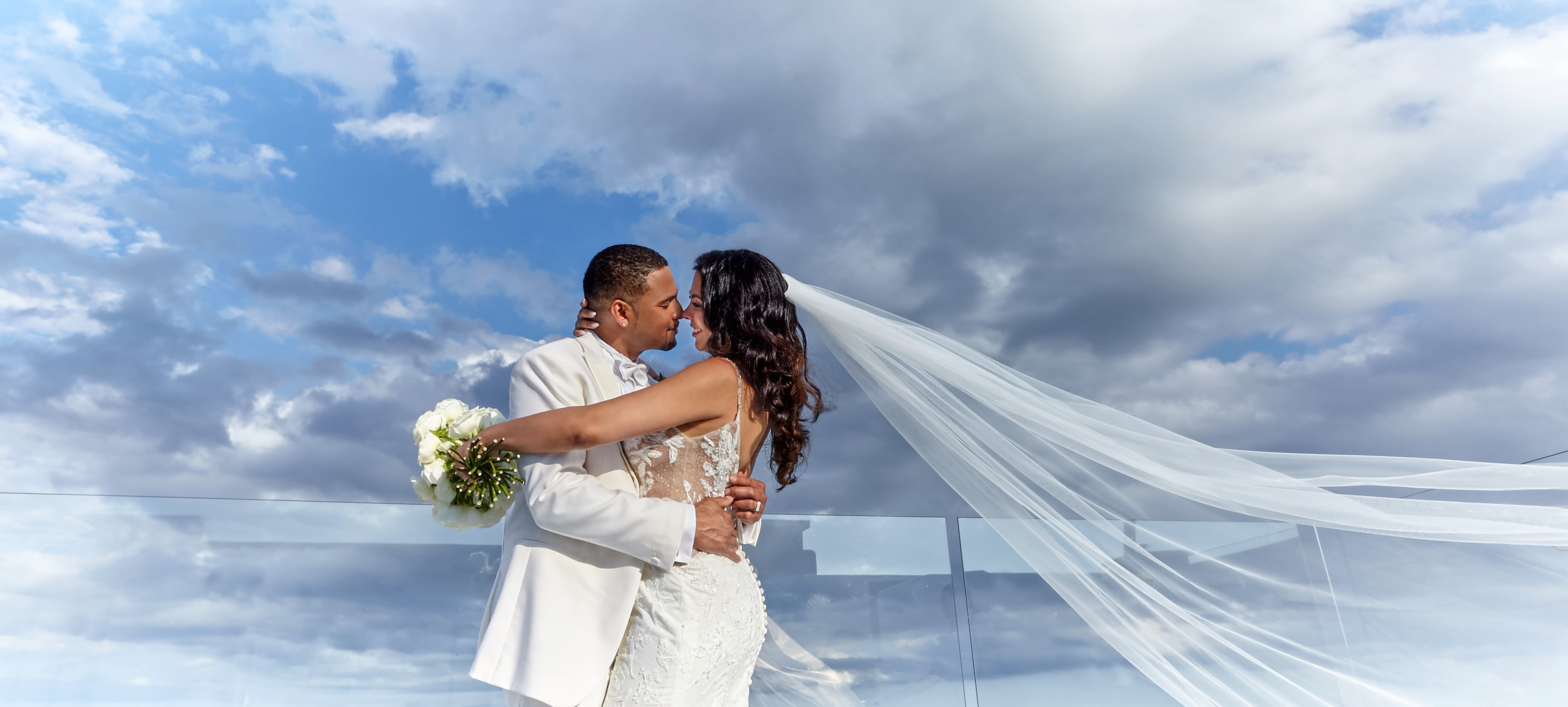
Bio Habitat Hotel is one of the most visually distinct venues in the Coffee Region because the official site combines active events support with highly specific accommodation formats built around forest and mountain habitats. That combination makes it a strong candidate for intimate destination weddings where design, nature and a curated guest experience matter more than scale.
A design-led nature hotel in Quindío for couples who want the wedding to feel selective, immersive and clearly tied to landscape
Bio Habitat matters because it adds a very different register to the Coffee Region cluster. The official site does not present the property as a generic hotel with occasional events. It highlights mountain and forest habitats, nature experiences, spa, restaurant and an events page, while the accommodation inventory includes specific habitat categories such as mountain suites, forest suites and cabins. That gives the venue a much sharper editorial identity than many regional properties.
In practical terms, Bio Habitat is strongest for couples who want the stay itself to be part of the wedding's atmosphere. The property reads more like a curated hospitality environment than a broad hotel or resort. That makes it especially relevant for intimate weddings, destination groups that value design and scenery, and couples who want a venue that feels contemporary and experience-driven rather than traditional.
The tradeoff is scale. A venue like this should usually be read through the lens of selectivity, not volume. That is not a weakness. It is part of the reason the property deserves its own guide.
Coffee Region location context
Bio Habitat sits in the Quindío side of the region, where scenery and slower destination rhythm often matter as much as the event itself
Quindío already plays a strong role in the regional imagination of the Coffee Region, but Bio Habitat interprets that identity through a more contemporary, design-forward lens than many traditional countryside properties. The official site situates the hotel on the Armenia-Circasia route and frames the stay through mountain, forest and ecological experiences rather than through standard hotel language. That matters because couples are not only choosing a venue here. They are choosing a mood for the entire weekend.
For some weddings, that mood is the point. Bio Habitat can serve couples who want the region to feel immersive and intentional, not only scenic. The property's own experiences, trails and habitat categories suggest a weekend where guests are meant to feel embedded in the environment rather than merely lodged beside it.
That same identity also means the venue is not the strongest answer for every guest list. Couples who need a larger, simpler room-block system may find a hotel like Sonesta easier. Couples who want a more boutique design and nature experience may find Bio Habitat much closer to what they actually imagined.
Atmosphere and guest experience
Bio Habitat is strongest when the wedding should feel intimate, design-conscious and immersed in nature rather than broadly hosted at scale
The official site repeatedly returns to the language of immersion, wellness, forest and mountain viewpoints. That gives the venue a guest experience that is not primarily banquet-driven. Instead, the property suggests a wedding where the stay, the rooms, the outlooks and the broader environment all play a visible role in how the celebration feels.
That can be extremely compelling for intimate destination weddings, curated guest lists and couples who want something more contemporary than a traditional hacienda or ballroom format. It can also work well for wedding weekends where the line between celebration and retreat is intentionally soft.
It may be less suitable for couples who need many rooms in one simple block or who want a highly conventional large-reception structure. Bio Habitat tends to make more sense when the couple is comfortable choosing identity over maximum operational breadth.
Ceremony and reception possibilities
The official pages strongly support event use, but couples should confirm how wedding formats actually map onto the property's more selective lodging model
The events page confirms that the property actively hosts events, while the main hotel pages and habitat inventory show a hospitality concept built around distinct room categories and nature experiences. That already gives couples a stronger base than many venues provide publicly. It confirms that the property is not only photogenic. It is also operationally active as an event venue.
What is not clearly published is a wedding-specific capacity table, the current ceremony and dinner layouts, whether buyouts are typical and how the hotel handles weather pivots for celebrations that want to remain visually tied to the setting. Couples should confirm those details directly. They should also ask how event flow works across the habitats and public areas so that the wedding does not overreach the scale that makes the property attractive in the first place.
Bio Habitat usually makes the most sense when the format is deliberately selective. Direct clarification on capacities and privacy will therefore matter even more than at a larger hotel.
Wedding photography considerations
Bio Habitat has one of the clearest editorial photography signatures in the region, but that only works when the day stays selective and well-paced
From a photography standpoint, Bio Habitat is appealing because the official site already shows a property identity built around mountain views, forest perspective, net beds, terraces, jacuzzis and habitat architecture. That creates a venue where the final gallery can feel visually distinct without needing to leave the property. The rooms themselves can contribute to the story in a way that more generic hotels rarely do.
The caution is pacing. Design-forward nature hotels are often strongest when the couple protects the stillness that makes the venue feel special. If too many guests, too many activities or too many disconnected photo ambitions are forced into the same day, the property's character can get diluted. The most coherent galleries usually come from choosing fewer strong portrait zones, keeping the family-photo sequence tight and preserving enough time for the environment to register naturally.
Cloud cover and changing weather are also part of Quindío life. The visual upside is mood and softness. The planning challenge is ensuring that the version of the day that happens under clouds or rain still feels like Bio Habitat and not like an improvised fallback.
Photographer’s Perspective
Bio Habitat often works best when the wedding behaves more like a curated retreat than like a compressed banquet schedule
The venue already supplies a strong visual identity. The best move is usually to protect that identity with fewer, more intentional transitions and enough breathing room for the property to stay part of the story.
Who this venue may suit
Intimate destination wedding
Couples who want a smaller, more curated guest experience
This is one of Bio Habitat's clearest strengths.
Design-led celebration
Weddings where the architecture and room concept should matter to the atmosphere
The habitat model helps distinguish it sharply.
Nature immersion
Guests who are meant to feel part of the landscape and not only accommodated near it
The hotel's public experiences reinforce that intention.
Selective weekend
Couples who are comfortable prioritizing identity over maximum room-block simplicity
That tradeoff is central to the venue's appeal.
Guest and transportation logistics
Guest logistics need early clarity because the venue's boutique strength depends on not overloading it
The official site gives a clear address on the Armenia-Circasia route, plus direct booking contacts and public information about experiences and habitats. What it does not present as heavily is a large, conventional room-block system. That means couples should think early about how many guests are realistically meant to stay on property and whether overflow lodging will become part of the plan.
That is not a reason to avoid the venue. It is simply the logistical price of choosing a more selective property. Couples should also ask about parking, airport transfer expectations, guest movement across the grounds and whether older relatives will navigate the spaces comfortably. Because the hotel is part of the destination atmosphere, transportation should be designed to preserve calm rather than to maximize complexity.
The simpler and more intentional the guest structure becomes, the more Bio Habitat usually rewards the choice.
Questions to ask before booking
Useful Bio Habitat-specific questions before signing
How many wedding guests can the property currently host overnight?
Is full buyout typical for weddings of this style?
Which areas are usually used for ceremony, cocktails and dinner?
What is the current rain backup for outdoor wedding moments?
Which habitat categories work best for getting ready and portraits?
How are overflow guests normally housed if the wedding exceeds on-site capacity?
Are there restrictions on candles, suspended decor, amplified music or drone use?
How do vendors load in and move across the property?
What accessibility questions should families discuss in advance?
Can the hotel's restaurant and experiences become part of the wedding weekend naturally?
How does the venue usually recommend pacing portraits so the property does not feel rushed?
What current event-end or sound rules apply?
Sample photography timeline
A sample timeline for an intimate wedding at Bio Habitat Hotel
This example assumes a selective guest count and a wedding that treats the property as part retreat and part celebration.
11:30 am Coverage starts with details and preparation in selected habitats.
1:15 pm Individual portraits and quiet family coverage.
2:15 pm Couple portraits or first look in selected mountain or forest-view areas.
3:15 pm Guest arrival buffer and transition into ceremony.
4:00 pm Ceremony.
4:35 pm Family photos while the group remains concentrated.
5:00 pm Cocktails and guest atmosphere.
5:30 pm Short second portrait window if light and weather cooperate.
6:30 pm Dinner and reception transition.
8:15 pm onward Toasts, music and full evening coverage.
Weather and timing considerations
Bio Habitat works best when weather is treated as part of the venue's mood rather than as a problem to be hidden
Quindío weather can soften the entire property beautifully. Cloud, mist and moisture often fit Bio Habitat's design language better than direct sun. But that only becomes an advantage if the couple asks the right questions early: where does the wedding move if rain comes, does the backup still feel intimate and what timing gives the best chance for portraits without rushing guests through the property?
The venue's identity depends on atmosphere. That means the weather plan is not only operational. It is aesthetic. A good plan should still feel like Bio Habitat, not like a generic indoor substitute.
The strongest timelines here leave enough room for the property to breathe.
Frequently asked questions
Common questions about weddings at Bio Habitat Hotel
Does Bio Habitat officially host events?
Yes. The official site includes an active events page.
Why is it different from many other Coffee Region venues?
Because its hospitality concept is built around design-forward habitats and nature immersion, not only standard hotel rooms or banquet space.
Is it better for smaller weddings than for broad room-block weddings?
Usually yes. Its strongest use is likely more selective and intimate, though couples should confirm current capacity directly.
Can the property support a full destination feel?
Yes. Its experiences, habitats and setting all support a stronger destination identity.
Should couples confirm buyout and privacy directly?
Yes. Those details matter a great deal at a property like this and are not fully summarized on the public pages.
What type of wedding fits best?
Intimate destination weddings, design-conscious weekends and celebrations where the stay should feel immersive.
Does the property offer more than only rooms?
Yes. The official site also highlights spa, restaurant and nature-based experiences.
What is the main planning caution?
Not overloading a property whose value depends on selectivity and atmosphere.
Related venues
Sazagua Cocora Hotel Boutique
A close comparison for couples deciding between two boutique nature-led stays in Quindío.
Share your date, expected guest count and whether the wedding should stay intentionally intimate
Those details usually reveal very quickly whether Bio Habitat is the right fit, because the venue's strength depends on selectivity as much as on scenery.
Bio Habitat Hotel es uno de los venues visualmente más distintivos del Eje Cafetero porque su sitio oficial mezcla soporte activo para eventos con formatos de alojamiento muy específicos alrededor de hábitats de bosque y montaña. Esa combinación lo vuelve fuerte para bodas íntimas de destino donde diseño, naturaleza y experiencia curada del invitado pesan más que la escala.
Un hotel de naturaleza y diseño en Quindío para parejas que quieren una boda selectiva, inmersiva y muy ligada al paisaje
Bio Habitat importa porque le suma un registro muy distinto al cluster del Eje Cafetero. El sitio oficial no presenta la propiedad como un hotel genérico con eventos ocasionales. Destaca hábitats de montaña y bosque, experiencias de naturaleza, spa, restaurante y una página de eventos, mientras que el inventario de alojamiento incluye categorías específicas de hábitats y cabañas. Eso le da al venue una identidad editorial mucho más afilada que la de muchas propiedades regionales.
En la práctica, Bio Habitat funciona mejor para parejas que quieren que la estadía misma haga parte de la atmósfera de la boda. La propiedad se lee más como una experiencia de hospitalidad curada que como un hotel amplio o un resort. Eso la vuelve especialmente relevante para bodas íntimas, grupos destino que valoran diseño y paisaje y parejas que quieren algo más contemporáneo que una hacienda tradicional.
La contraparte es la escala. Un venue así conviene leerlo desde selectividad y no desde volumen. Eso no es una debilidad. Es parte de la razón por la que merece página propia.
Contexto regional
Bio Habitat se ubica del lado quindiano de la región, donde paisaje y ritmo destino suelen importar tanto como el evento mismo
Quindío ya pesa fuerte dentro de la imaginación del Eje Cafetero, pero Bio Habitat interpreta esa identidad desde una lectura más contemporánea y de diseño que muchas propiedades campestres tradicionales. El sitio oficial ubica el hotel sobre la vía Armenia-Circasia y enmarca la estadía a través de montaña, bosque y experiencias ecológicas más que desde el lenguaje hotelero estándar. Eso importa porque aquí la pareja no solo está escogiendo un venue. Está escogiendo el tono del fin de semana completo.
Para algunas bodas, ese tono es justamente el punto. Bio Habitat puede servir a parejas que quieren que la región se sienta inmersiva e intencional, no solo bonita. Las propias experiencias, senderos y categorías de hábitat sugieren un fin de semana donde los invitados deberían sentirse metidos dentro del entorno y no solamente alojados al lado de él.
Esa misma identidad también significa que el venue no es la respuesta más fuerte para toda lista de invitados. Las parejas que necesitan un sistema hotelero más amplio y simple pueden encontrar más claridad en Sonesta. Quienes quieren un fin de semana boutique de diseño y naturaleza pueden encontrar en Bio Habitat algo mucho más cercano a lo que estaban imaginando.
Atmósfera y experiencia
Bio Habitat funciona mejor cuando la boda debería sentirse íntima, consciente del diseño y realmente inmersa en naturaleza
El sitio oficial vuelve una y otra vez al lenguaje de inmersión, bienestar, bosque y vistas de montaña. Eso le da al venue una experiencia de invitado que no está basada primero en banquete. Más bien sugiere una boda donde la estadía, las habitaciones, las vistas y el entorno sí juegan un papel visible en cómo se siente la celebración.
Eso puede ser potentísimo para bodas íntimas de destino, listas curadas y parejas que quieren algo más contemporáneo que una hacienda tradicional o un ballroom hotelero. También puede funcionar muy bien para fines de semana donde la línea entre celebración y retreat está pensada para ser suave.
Puede ser menos adecuado para parejas que necesitan muchas habitaciones en un solo bloque simple o una estructura muy convencional de recepción grande. Bio Habitat suele tener más sentido cuando la pareja está cómoda priorizando identidad sobre amplitud operativa máxima.
Ceremonia y recepción
Las páginas oficiales sí sostienen bien el uso para eventos, pero conviene confirmar cómo se traduce eso a una boda dentro de un modelo de hospedaje más selectivo
La página de eventos confirma que la propiedad sí trabaja eventos, mientras que la web principal y el inventario de hábitats muestran un concepto hotelero armado alrededor de categorías de alojamiento y experiencias de naturaleza. Eso ya le da a la pareja una base más sólida que la que ofrecen muchos venues. Confirma que la propiedad no es solo fotogénica. También es operativamente activa como venue de eventos.
Lo que no está publicado con claridad es una tabla de capacidad para bodas, los layouts actuales de ceremonia y cena, si los buyouts son lo más común y cómo se maneja el plan climático para celebraciones que quieren seguir viéndose conectadas con el entorno. Todo eso conviene confirmarlo directamente. También vale la pena preguntar cómo se articula el flujo del evento entre hábitats y zonas comunes para que la boda no se pase de la escala que vuelve atractiva la propiedad.
Bio Habitat normalmente tiene más sentido cuando el formato es deliberadamente selectivo. Por eso la claridad directa sobre capacidades y privacidad importa incluso más que en un hotel grande.
Consideraciones fotográficas
Bio Habitat tiene una de las firmas editoriales más claras de toda la región, pero eso solo funciona si el día se mantiene selectivo y bien respirado
Desde fotografía, Bio Habitat es atractivo porque el sitio oficial ya muestra una identidad de propiedad construida alrededor de vistas de montaña, bosque, terrazas, jacuzzis, net beds y arquitectura de hábitats. Eso crea un venue donde la galería final puede sentirse muy distinta sin necesidad de salir del lugar. Las habitaciones mismas pueden entrar dentro de la historia de una manera que pocos hoteles más genéricos logran.
El cuidado principal es el ritmo. Los hoteles de naturaleza y diseño suelen rendir mejor cuando la pareja protege la quietud que vuelve especial al lugar. Si se intenta meter demasiados invitados, demasiadas actividades o demasiadas ambiciones desconectadas en un solo día, el carácter del venue se diluye. Las galerías más coherentes suelen salir de escoger pocos espacios fuertes de retrato, mantener los grupos familiares muy concentrados y dejar suficiente tiempo para que el entorno se registre con naturalidad.
La nubosidad y el cambio climático también hacen parte de Quindío. La ventaja visual es atmósfera y suavidad. El reto de planeación es que la versión del día que ocurra con lluvia o nubes siga sintiéndose como Bio Habitat y no como un plan improvisado.
Perspectiva del fotógrafo
Bio Habitat suele funcionar mejor cuando la boda se comporta más como un retreat curado que como un cronograma de banquete comprimido
La propiedad ya trae una identidad visual fuerte. Lo mejor suele ser protegerla con menos transiciones, pero más intencionales, y suficiente aire para que el venue siga siendo parte de la historia.
A quién puede servirle
Boda íntima de destino
Parejas que quieren una experiencia de invitados más pequeña y más curada
Esa es una de las fortalezas más claras de Bio Habitat.
Celebración guiada por diseño
Bodas donde la arquitectura y el concepto de habitaciones deberían importar a la atmósfera
El modelo de hábitats lo diferencia con nitidez.
Inmersión en naturaleza
Invitados que deberían sentirse parte del paisaje y no solo alojados cerca de él
Las experiencias oficiales del hotel refuerzan esa intención.
Fin de semana selectivo
Parejas cómodas priorizando identidad sobre simplicidad máxima de room block
Esa tensión es central en el atractivo del lugar.
Invitados y transporte
La logística de invitados necesita claridad temprana porque la fuerza boutique del venue depende de no sobrecargarlo
El sitio oficial da una dirección clara sobre la vía Armenia-Circasia, además de contactos directos y varias capas de experiencias y hábitats. Lo que no presenta con la misma fuerza es un sistema hotelero convencional de room blocks amplios. Eso significa que conviene pensar pronto cuántos invitados realmente deberían quedarse dentro de la propiedad y si hará falta hotelería complementaria.
Eso no es razón para descartar el venue. Solo es el precio logístico de escoger una propiedad más selectiva. También conviene preguntar por parqueadero, expectativas de traslado desde aeropuerto, movimiento de invitados por la propiedad y comodidad de familiares mayores. Como el hotel hace parte de la atmósfera destino, el transporte debería diseñarse para preservar calma y no para maximizar complejidad.
Mientras más simple e intencional sea la estructura del grupo, más suele recompensar la decisión Bio Habitat.
Preguntas para hacer antes de reservar
Preguntas útiles y específicas para Bio Habitat Hotel
¿Cuántos invitados de boda puede alojar hoy la propiedad?
¿Lo usual en bodas de este estilo es el buyout completo?
¿Qué áreas se usan normalmente para ceremonia, coctel y cena?
¿Cuál es el plan actual de lluvia para momentos exteriores?
¿Qué categorías de hábitat funcionan mejor para preparación y retratos?
¿Cómo se resuelven normalmente los invitados que exceden la capacidad en sitio?
¿Hay restricciones sobre velas, decoraciones colgantes, música amplificada o drones?
¿Cómo ingresan y se mueven los proveedores dentro de la propiedad?
¿Qué preguntas de accesibilidad conviene hablar con tiempo?
¿El restaurante y las experiencias del hotel pueden entrar de forma natural en el wedding weekend?
¿Cómo recomienda el venue programar retratos para no apresurar la propiedad?
¿Qué límites actuales de sonido u horario aplican?
Cronograma fotográfico de ejemplo
Un ejemplo de timeline para una boda íntima en Bio Habitat Hotel
Este ejemplo asume una lista selectiva y una boda que trata la propiedad como parte retreat y parte celebración.
11:30 am Inicio de cobertura con detalles y preparación en hábitats seleccionados.
1:15 pm Retratos individuales y familia cercana en calma.
2:15 pm Retratos de pareja o first look en áreas elegidas de montaña o bosque.
3:15 pm Buffer de llegada de invitados y transición a ceremonia.
4:00 pm Ceremonia.
4:35 pm Fotos familiares mientras el grupo sigue concentrado.
5:00 pm Coctel y ambiente de invitados.
5:30 pm Segunda ventana breve de retratos si luz y clima ayudan.
6:30 pm Transición a cena y recepción.
8:15 pm en adelante Brindis, música y cobertura de la noche.
Clima y timing
Bio Habitat funciona mejor cuando el clima se trata como parte del mood del venue y no como un problema que hay que esconder
El clima de Quindío puede suavizar la propiedad de una forma muy bonita. La nube, la neblina y la humedad suelen encajar mejor con el lenguaje visual de Bio Habitat que un sol muy duro. Pero esa ventaja solo aparece si la pareja hace las preguntas correctas temprano: a dónde se mueve la boda si llueve, si ese plan alterno sigue sintiéndose íntimo y qué horario protege mejor los retratos sin correr a los invitados por la propiedad.
La identidad del venue depende de atmósfera. Eso significa que el plan de clima no es solo operativo. También es estético. Un buen plan debería seguir sintiéndose como Bio Habitat y no como un reemplazo genérico en interiores.
Los mejores cronogramas aquí le dejan suficiente aire al lugar para respirar.
Preguntas frecuentes
Preguntas comunes sobre bodas en Bio Habitat Hotel
¿Bio Habitat sí organiza eventos de forma oficial?
Sí. El sitio oficial incluye una página activa de eventos.
¿Por qué es distinto a muchos otros venues del Eje Cafetero?
Porque su concepto de hospitalidad está construido alrededor de hábitats de diseño e inmersión en naturaleza, no solo de habitaciones estándar o de salón.
¿Suele servir mejor para bodas pequeñas que para bodas de gran room block?
Normalmente sí. Su uso más fuerte probablemente sea más selectivo e íntimo, aunque conviene confirmar capacidad directa.
¿La propiedad sí puede sostener sensación real de destino?
Sí. Sus experiencias, hábitats y contexto apoyan una identidad destino muy clara.
¿Conviene confirmar buyout y privacidad directamente?
Sí. Esos detalles pesan mucho en una propiedad como esta y no están totalmente resumidos en la web pública.
¿Qué tipo de boda encaja mejor?
Bodas íntimas de destino, fines de semana conscientes del diseño y celebraciones donde la estadía debería sentirse inmersiva.
¿La propiedad ofrece algo más que habitaciones?
Sí. El sitio oficial también destaca spa, restaurante y experiencias de naturaleza.
¿Cuál es el principal cuidado de planeación?
No sobrecargar una propiedad cuyo valor depende de selectividad y atmósfera.
Venues relacionados
Sazagua Cocora Hotel Boutique
Una comparación cercana para parejas que deciden entre dos estadías boutique y naturales en Quindío.
Comparte tu fecha, número esperado de invitados y si la boda debería mantenerse deliberadamente íntima
Esos datos suelen revelar muy rápido si Bio Habitat sí es el encaje correcto, porque la fuerza del venue depende tanto de su selectividad como de su paisaje.