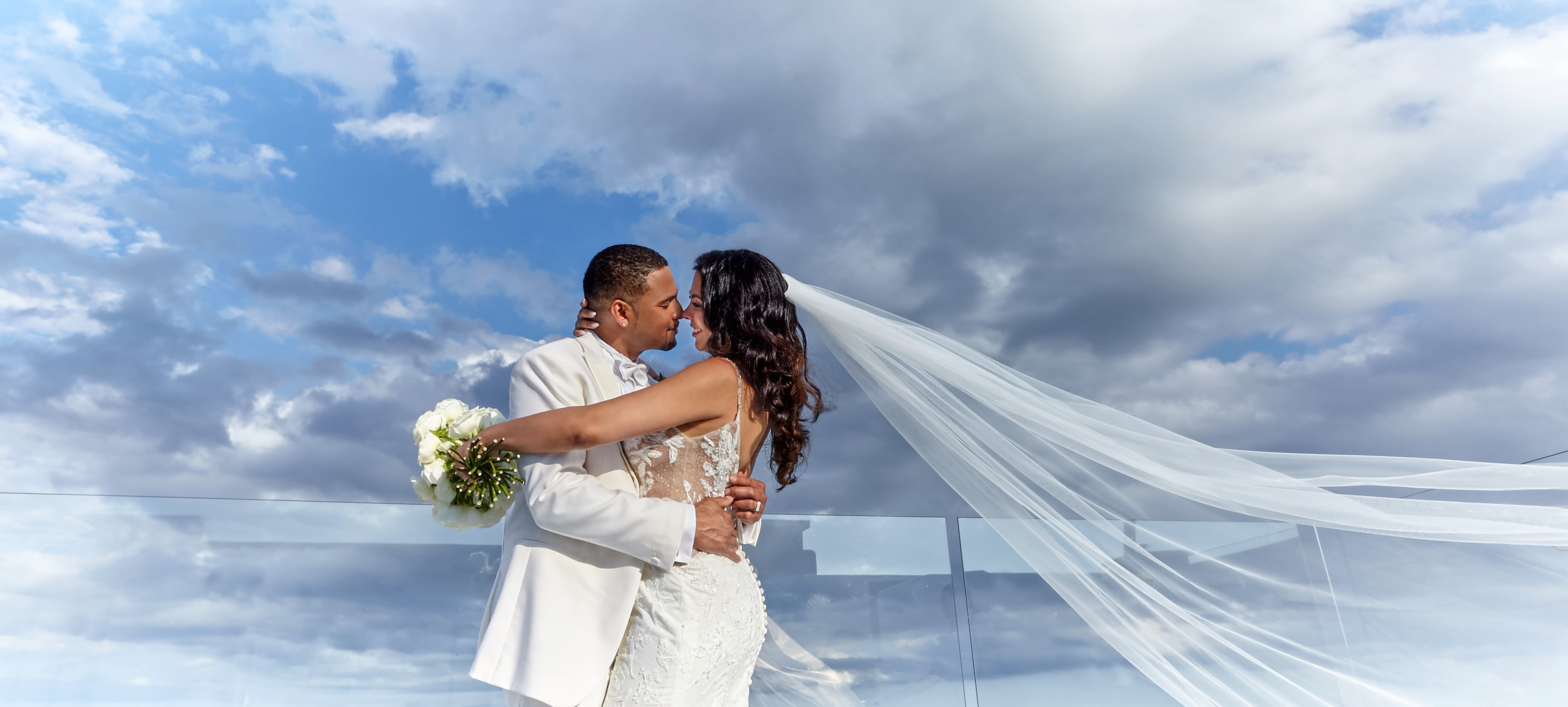
The Coffee Region is not one city and it does not photograph like one market. Pereira, Armenia and Manizales each behave differently, and the countryside wedding logic can shift again once a celebration moves into Quindio fincas, boutique hotels near Salento, or larger destination properties in Risaralda and Caldas. This page is built for couples who are looking at the region as a whole and need a photographer who understands that the wedding is likely to be shaped by landscape, weather, transport and hospitality as much as by the ceremony itself.
Mark Anthony Photography is based in Colombia and available throughout the Coffee Region for weddings in Pereira, Armenia, Manizales, Quindio, Risaralda and Caldas. The goal here is not to pretend every property behaves the same or to imply experience at specific venues that has not been confirmed. The goal is to explain how wedding photography tends to work in this region so couples can plan a calmer, more coherent celebration.
A regional wedding-photography hub for mountain, finca and destination celebrations
Couples searching for a Coffee Region wedding photographer are often not only choosing a photographer. They are also deciding what kind of wedding the region should hold. Some celebrations are city-based with hotel infrastructure and guest rooms concentrated around Pereira or Armenia. Others are destination weekends built around a countryside property, a coffee-estate atmosphere or a boutique hotel that becomes the emotional center of the event. Still others combine a city arrival with a greener wedding day, which means the photography has to account for movement between different environments rather than a single static venue.
That is why the Coffee Region deserves its own hub instead of a passing mention inside national content. The landscape is part of the wedding here. Rolling hills, deep vegetation, cloud cover, mountain light and large rural properties all affect how the day feels and how the photographs need to be paced. The strongest coverage in this region usually comes from accepting that the wedding has to breathe a little more than a compact city ballroom day, while still protecting structure wherever travel, weather and guest logistics could create friction.
If your wedding may happen in Pereira, Armenia, Manizales, Salento, Filandia, Montenegro, Circasia or on a countryside estate elsewhere in the Eje Cafetero, this page is the right starting point. From here you can move into the Coffee Region venue guide, the destination-wedding guide and the category pages that separate finca, hotel and more elevated venue formats.
Regional logic
The Coffee Region works best when couples actually want a mountain and countryside destination, not a disguised city wedding
Landscape first
The setting should remain visible in the final gallery
The Eje Cafetero is one of the strongest Colombian wedding regions for couples who want greenery, layered hills, outdoor ceremony atmosphere and a wedding day that feels rooted in place. If the final images could have been made in any anonymous ballroom, the region has been underused.
Hospitality still matters
Guest comfort needs structure even when the mood is relaxed
Destination weddings here usually rely on clear hotel or accommodation planning, realistic transport and an honest rain backup. Countryside atmosphere is strongest when the weekend feels hospitable rather than improvised.
Weather is part of the story
Cloud cover and afternoon rain affect timing more than couples expect
Soft mountain light can be beautiful, but the region also rewards couples who build ceremony timing, family photos and transitions around changing skies instead of assuming constant sun.
Compared with Bogotá, the Coffee Region usually feels more spacious and less formally urban. Compared with Cartagena, it feels cooler, greener and more dispersed, with less emphasis on walkable city texture and more emphasis on destination curation. Compared with Medellín, it often leans further into countryside identity because many of its strongest wedding properties are not simply green venues near a large city; they are part of a wider mountain destination ecosystem.
This matters for photography because the region asks for a different balance of control and openness. A photographer here needs to preserve the destination feeling without letting the schedule become vague. If the wedding includes large grounds, multiple buildings, uneven terrain, guest shuttles or a sequence of events spread across a property, the visual approach has to stay calm while still acknowledging distance and movement.
Geography
Pereira, Armenia and Manizales each support different wedding formats
Area
How it tends to feel
Typical venue logic
What couples should plan for
Pereira / Risaralda
Hotel-friendly with countryside spillover
City hotels, resort-style properties, clubs and nearby estates
Useful for couples who want a stronger hospitality base before moving into greener wedding-day settings
Armenia / Quindio
Coffee-estate and countryside destination logic
Hotels, fincas, resort properties and coffee-landscape venues
Strong when the destination itself should be visible and the weekend is built around scenery
Manizales / Caldas
Mountain city with nature-heavy destination extensions
Hotels, hot-springs properties and event sites with strong landscape identity
Useful for couples who want altitude, mountain atmosphere and a more selective destination feel
Salento / Filandia / Circasia corridor
Boutique and editorially strong
Smaller hotels, nature stays and estate-style properties
Best for couples who want intimacy, visual identity and a deliberately curated guest experience
The right base depends on what the weekend is trying to accomplish. Pereira is often operationally helpful because it supports stronger hotel infrastructure and a more legible city entry point. Armenia and the Quindio corridor often feel more explicitly tied to the countryside identity that couples imagine when they say Coffee Region. Manizales and Caldas can be extremely compelling for couples who want a mountain tone, but they reward clarity because the hospitality pattern can be more selective and the destination feel more pronounced.
There is no universally correct answer between those cities. The real question is where the guest experience should begin. Should it begin in a city hotel and then move into the landscape on the wedding day, or should the property itself become the destination base? That decision changes not only hotels and transport, but also how photography coverage should be distributed across arrivals, rehearsal events, portraits and the main celebration.
Venue formats
The region becomes easier to photograph once the venue format is named honestly
Finca and estate weddings
These are often the clearest expression of the region: gardens, coffee-landscape context, open-air ceremony possibilities and a slower destination rhythm. They can be visually beautiful, but they usually need stronger timing discipline because distances across the property, weather shifts and guest movement can widen the day quickly.
Hotel weddings
Hotel properties are useful when guest accommodation, weather backup and a smoother event flow matter more than having a fully private estate atmosphere. In the Coffee Region, hotel weddings can still feel green and destination-led; they simply often give couples a firmer operational structure.
Boutique countryside properties
Smaller luxury or boutique hotels can be ideal for intimate weddings, rehearsal dinners, civil celebrations and editorial weekends with a carefully selected guest list. The visual mood can be very strong, but capacity and support details should always be confirmed directly.
Club and social-event venues
Some city-adjacent properties and clubs may serve weddings well, especially around Pereira. These can make sense for local-family logistics, but they create a different atmosphere than a full destination estate and should be evaluated against the actual guest experience you want.
Hybrid destination weekends
Some couples may arrive through one city, stay in a hotel and celebrate somewhere greener. This hybrid model can work very well, but only if transport, getting-ready locations and guest-return plans are designed as part of the wedding and not treated as background details.
Outdoor-forward receptions
Outdoor dinners and ceremonies can be one of the region's strongest assets, but they should be chosen because the venue has a convincing backup strategy and because the couple actually wants the atmosphere that comes with a more weather-aware wedding day.
The strongest Coffee Region wedding photography usually depends on pacing, terrain and weather awareness
Many wedding regions are discussed as if the visual challenge is only finding a pretty background. The Eje Cafetero is more nuanced than that. A large property may be stunning, but if the getting-ready rooms are far apart, the ceremony is exposed, the family-photo location requires a walk across uneven ground and the rain backup is visually disconnected from the outdoor plan, the photography can become fragmented unless the schedule has been designed carefully.
Mountain weather is one of the main reasons this region needs an intentional coverage strategy. Cloud cover can soften portraits beautifully and keep midday light more forgiving than couples expect. It can also reduce usable windows, slow transitions and change the atmosphere of outdoor dinner coverage. Afternoon rain should not be treated as a freak event. It should be treated as part of the planning environment. That is why the best Coffee Region timelines usually protect portraits earlier than couples first imagine and avoid placing every important visual moment in the same outdoor window.
Large rural venues also create a different family-photo problem. In a compact city hotel, gathering parents, siblings and grandparents can be relatively easy. On a dispersed countryside property, the same sequence can break apart quickly if guests are already moving toward cocktails, exploring the grounds or navigating stairs, slopes and garden paths. Photography stays stronger when family groupings, transportation and ceremony transitions are discussed early and not left to intuition.
The point is not to make the day rigid. The point is to preserve calm. Couples usually choose the Coffee Region because they want the wedding to feel more open, more scenic and less compressed. The photography should protect that feeling, not fight it. The way to do that is with honest preparation underneath the surface: realistic travel time, protected portrait windows, weather-aware layouts and a plan for how guests move through the property.
Destination weddings
The Coffee Region is often strongest as a curated destination weekend, not only as a single wedding date
Arrival day
Guests need a clear landing experience
Whether guests enter through Pereira, Armenia or Manizales, the first event should usually be simple and legible. A relaxed welcome dinner or drinks can work better than trying to force a fully programmed first night.
Wedding day
The main day should tell one clear story of movement
Destination weddings in the Coffee Region are strongest when ceremony, cocktail hour, dinner and returns follow a coherent rhythm instead of sending guests through too many transitions.
Departure day
A lighter farewell often suits the region well
A brunch or gentle sendoff can work beautifully, but it should match the actual guest energy and not become an obligation just because the wedding is destination-based.
For many couples, this region is appealing precisely because it invites a slower emotional pace. That can be a real strength. But it also means the weekend benefits from editing. Too many transfers, too many separate locations or too many outdoor ambitions can make the schedule feel more scattered than luxurious. The best destination weddings here usually let the property or region carry part of the atmosphere naturally instead of trying to manufacture intensity at every moment.
If the Coffee Region is being considered specifically for an international or destination guest list, the next page to read is Destination Weddings in Colombia's Coffee Region. That page goes deeper into airports, accommodation patterns, activities, guest movement and the difference between choosing Pereira, Armenia or Manizales as the practical base.
Extra coverage
Engagement sessions and welcome-event coverage can make particular sense in the Coffee Region
Because the landscape is so central to the identity of the region, some couples may find that an engagement session, day-before session or welcome-event coverage gives the final story more room to show place without forcing all portrait time into the main wedding date. That can be especially useful if the wedding day itself is already carrying weather risk, property movement or a large family structure.
This is not an automatic recommendation for every couple. The right decision depends on how much of the destination you want documented and whether the weekend already has a natural event where the atmosphere matters. A welcome dinner in a boutique property, a quiet portrait session around a countryside hotel or even a brief morning-after walk can sometimes preserve the region more truthfully than overloading the wedding-day timeline with every visual goal.
What matters most is that any extra coverage serve the real structure of the weekend. The Coffee Region is visually generous. The better question is not whether there are beautiful places, but whether adding another photo block genuinely makes the wedding calmer and more complete.
Related Coffee Region guides
Use the regional cluster in the order that usually helps most
Best Wedding Venues in Colombia's Coffee Region
The broad shortlist for Pereira, Armenia, Manizales and the countryside venue market.
Frequently asked questions about hiring a Coffee Region wedding photographer
Can the Coffee Region work well for destination weddings?
Yes. It can be especially strong for couples who want a countryside or mountain destination rather than a capital-city wedding or a coastal weekend. The main planning question is how the guest experience should be structured around accommodation and transport.
Is Pereira the only practical base for the region?
No. Pereira can be a very practical entry point, but Armenia and Manizales can also make sense depending on the venue, the hotel strategy and the part of the region that matters most to the celebration.
Do finca weddings in the Coffee Region need more photography time?
Sometimes they do, especially when the property is large, the getting-ready spaces are separate, or transport and family logistics are more layered. The answer depends on the actual structure of the day, not on the label alone.
Is afternoon rain a real planning concern here?
Yes. Couples should treat cloud cover and rain as normal planning factors and make sure the venue's backup strategy still supports the visual tone they want.
Should we choose hotel or finca first?
Usually yes. The hotel-versus-finca question changes guest comfort, transport, timing and photography flow so much that it is often the most useful early decision.
Can the region support smaller luxury weddings?
Yes. Boutique properties and smaller countryside hotels can be compelling for more intimate weddings, but couples should confirm capacities, event formats and accommodation details directly with each property.
Should engagement photos happen in the Coffee Region too?
They can, especially if the destination itself matters to the story or if a separate session would reduce pressure on the wedding-day timeline.
The region photographs best when the wedding is allowed to feel like the Coffee Region, not like a city wedding moved into greener scenery
If you already know the likely city, property type and whether the celebration is one day or a full destination weekend, share that context. It usually makes the conversation about photography coverage, travel and timing much more precise.
El Eje Cafetero no es una sola ciudad y tampoco se fotografía como un solo mercado. Pereira, Armenia y Manizales se comportan distinto, y la lógica de boda cambia otra vez cuando la celebración se mueve hacia fincas, hoteles boutique, propiedades campestres o venues de destino en Quindio, Risaralda y Caldas. Esta página está pensada para parejas que miran la región completa y necesitan un fotógrafo que entienda que aquí la boda normalmente queda definida tanto por paisaje, clima, transporte y hospitalidad como por la ceremonia misma.
Mark Anthony Photography tiene base en Colombia y está disponible para bodas en todo el Eje Cafetero, incluyendo Pereira, Armenia, Manizales, Quindio, Risaralda y Caldas. La idea aquí no es fingir experiencia confirmada en venues específicos donde no corresponde. La idea es explicar cómo suele funcionar la fotografía de boda en esta región para que la pareja pueda planear una celebración más serena y coherente.
Un hub regional de fotografía para bodas de montaña, finca y destino
Las parejas que buscan fotógrafo de bodas en el Eje Cafetero normalmente no solo están escogiendo fotógrafo. También están decidiendo qué tipo de boda puede sostener la región. Algunas celebraciones son más urbanas y dependen de hotelería en Pereira o Armenia. Otras son fines de semana de destino construidos alrededor de una finca, un hotel boutique o una propiedad donde el paisaje cafetero se vuelve parte central del evento. Otras mezclan llegada urbana con día principal más verde, así que la fotografía tiene que responder a varios entornos y no a un solo venue estático.
Por eso el Eje Cafetero merece un hub propio y no solo una mención secundaria dentro del contenido nacional. Aquí el paisaje sí hace parte de la boda. Las lomas, la vegetación, las nubes, la luz de montaña y las propiedades amplias cambian tanto la experiencia del día como la manera correcta de fotografiarlo. La mejor cobertura suele aparecer cuando se acepta que este tipo de boda necesita un poco más de respiración que un ballroom urbano, pero igual conserva estructura allí donde clima, transporte y movimiento de invitados podrían complicar el día.
Si la boda puede ocurrir en Pereira, Armenia, Manizales, Salento, Filandia, Montenegro, Circasia o en una propiedad campestre del Eje Cafetero, esta es la mejor página para empezar. Desde aquí conviene bajar a la guía general de venues, la guía de boda de destino y las páginas por categoría que separan hoteles, fincas y venues más altos o boutique.
Lógica regional
El Eje Cafetero funciona mejor cuando la pareja de verdad quiere una boda de montaña y campo, no una boda urbana disfrazada de verde
Paisaje primero
El entorno debería seguir visible en la galería final
El Eje Cafetero es una de las regiones más fuertes de Colombia para parejas que quieren vegetación, lomas, ceremonias al aire libre y un día de boda claramente anclado al lugar. Si las fotos finales podrían haberse hecho en cualquier salón genérico, la región se desaprovechó.
La hospitalidad igual pesa
La comodidad del invitado necesita estructura aunque el ambiente sea relajado
Las bodas de destino aquí casi siempre dependen de hotelería clara, transporte realista y un plan de lluvia honesto. La atmósfera campestre se siente más fuerte cuando el fin de semana se percibe hospitalario y no improvisado.
El clima hace parte de la historia
Nubes y lluvia de tarde afectan el timing más de lo que muchas parejas esperan
La luz suave puede ser lindísima, pero la región también premia a las parejas que construyen ceremonia, retratos y transiciones alrededor de un cielo cambiante y no alrededor de la fantasía de sol constante.
Frente a Bogotá, el Eje Cafetero normalmente se siente más amplio y menos urbano. Frente a Cartagena, se siente más fresco, más verde y más disperso, con menos protagonismo de ciudad caminable y más peso del paisaje. Frente a Medellín, suele inclinarse aún más hacia identidad campestre porque muchos de sus venues fuertes no son solo lugares verdes cerca de una gran ciudad, sino parte de un destino montañoso más completo.
Eso importa mucho en fotografía porque la región exige un equilibrio distinto entre control y apertura. El fotógrafo tiene que conservar la sensación de destino sin dejar que el cronograma se vuelva difuso. Si la boda incluye varias edificaciones, terrenos irregulares, traslados, escaleras, jardines amplios o eventos repartidos por la propiedad, el enfoque visual necesita mantenerse sereno sin ignorar esas distancias.
Geografía
Pereira, Armenia y Manizales sostienen formatos de boda distintos
Zona
Sensación general
Lógica típica de venue
Lo que conviene planear
Pereira / Risaralda
Más hotelera con salida al campo
Hoteles urbanos, resorts, clubes y estates cercanos
Útil para parejas que quieren una base de hospitalidad más fuerte antes de moverse a un día verde
Armenia / Quindio
Más de paisaje cafetero y destino campestre
Hoteles, fincas, resorts y propiedades de paisaje
Muy fuerte cuando el destino mismo debe sentirse desde la boda
Manizales / Caldas
Ciudad de montaña con extensiones muy naturales
Hoteles, termales y venues con identidad fuerte de paisaje
Útil para parejas que quieren altura, clima de montaña y un tono más selectivo
Corredor Salento / Filandia / Circasia
Boutique y visualmente muy marcado
Hoteles pequeños, naturaleza y propiedades más íntimas
Ideal para bodas más contenidas y para una experiencia de invitados muy curada
La base correcta depende de lo que realmente quiere sostener el fin de semana. Pereira suele ayudar mucho desde la logística porque ofrece hotelería más clara y un punto de entrada más legible. Armenia y el corredor de Quindio suelen sentirse más directamente conectados con la idea de paisaje cafetero que muchas parejas tienen en mente. Manizales y Caldas pueden ser muy atractivos para quien quiere un tono de montaña más marcado, pero premian a las parejas que resuelven bien la estructura de hospitalidad.
No existe una respuesta universal entre esas ciudades. La pregunta real es dónde debería empezar la experiencia del invitado. ¿En un hotel de ciudad antes de pasar al paisaje? ¿O directamente en una propiedad que ya sea la base destino? Esa decisión cambia hoteles, transporte y también cómo debe repartirse la cobertura fotográfica entre llegadas, eventos previos, retratos y boda principal.
Formatos de venue
La región se vuelve mucho más fácil de fotografiar cuando el formato del venue se nombra con honestidad
Bodas en finca o estate
Suelen ser la expresión más clara del Eje Cafetero: jardines, paisaje, contexto cafetero y ceremonias al aire libre. Son muy fuertes visualmente, pero casi siempre necesitan más disciplina de timing porque las distancias internas, el clima y el movimiento de invitados agrandan el día.
Bodas en hotel
Los hoteles sirven mucho cuando alojamiento, plan de lluvia y flujo operativo pesan más que una atmósfera completamente privada de estate. En el Eje Cafetero, un hotel igual puede sentirse muy verde y destino; simplemente suele ofrecer una estructura más firme.
Propiedades boutique de campo
Hoteles pequeños o venues boutique pueden ser ideales para bodas íntimas, cenas previas y celebraciones con lista más curada. El ambiente puede ser muy fuerte, pero capacidades y operación siempre deben confirmarse directamente con la propiedad.
Clubes y venues sociales
Algunas opciones urbanas o de club, sobre todo cerca de Pereira, pueden funcionar muy bien para ciertas familias. Pero producen una experiencia distinta a una boda destino de finca, así que conviene compararlas por experiencia real y no solo por conveniencia.
Fines de semana híbridos
Algunas parejas llegan por una ciudad, se hospedan en hotel y celebran en una propiedad más verde. Ese formato puede funcionar excelente, pero solo cuando transporte, getting ready y regreso de invitados se piensan como parte de la boda y no como detalles secundarios.
Recepciones muy exteriores
Las cenas y ceremonias al aire libre pueden ser una de las mejores cosas de la región, pero deberían elegirse porque el venue tiene un plan de lluvia convincente y porque la pareja sí quiere una boda más expuesta al clima.
La mejor fotografía de boda en el Eje Cafetero suele depender de ritmo, terreno y lectura del clima
Muchas regiones de boda se discuten como si el reto visual fuera solo encontrar un fondo bonito. El Eje Cafetero es bastante más complejo. Una propiedad puede ser preciosa, pero si los cuartos de preparación están lejos, la ceremonia queda expuesta, las fotos familiares exigen caminar por terreno irregular y el plan de lluvia no conversa visualmente con la idea exterior, la cobertura puede fragmentarse muy fácil si el horario no se diseñó con cuidado.
El clima de montaña es una de las razones principales por las que esta región necesita una estrategia fotográfica intencional. Las nubes pueden suavizar lindísimo los retratos y hacer más amable la luz del mediodía. Pero también pueden reducir ventanas útiles, frenar transiciones y cambiar el ambiente de la cena exterior. La lluvia de tarde no debería tratarse como algo rarísimo. Debería tratarse como parte del ecosistema de planeación. Por eso los mejores timelines del Eje Cafetero suelen proteger retratos más temprano de lo que muchas parejas imaginan y evitan poner todos los momentos visuales importantes en una sola ventana exterior.
Las propiedades rurales grandes también producen un problema distinto para las fotos familiares. En un hotel compacto, reunir padres, hermanos y abuelos puede ser relativamente sencillo. En una finca amplia, ese mismo bloque puede romperse rápido si los invitados ya se movieron a coctel, empezaron a explorar la propiedad o tienen que subir y bajar por jardines y senderos. La fotografía se mantiene más fuerte cuando grupo familiar, transporte y transición de ceremonia se hablan temprano y no se dejan al instinto.
La idea no es volver el día rígido. La idea es preservar calma. La mayoría de parejas llega al Eje Cafetero porque quiere una boda más abierta, más escénica y menos comprimida. La fotografía debería proteger esa sensación y no pelear contra ella. La forma de lograrlo es con preparación honesta debajo de la superficie: distancias realistas, ventanas de retrato protegidas, layouts que respondan al clima y un plan claro de cómo se moverán los invitados.
Bodas de destino
El Eje Cafetero suele ser más fuerte como fin de semana curado de destino y no solo como una fecha aislada
Día de llegada
Los invitados necesitan una entrada clara al fin de semana
Ya sea por Pereira, Armenia o Manizales, el primer evento suele funcionar mejor si es simple y fácil de entender. Unas bebidas o una cena relajada normalmente sirven más que una noche demasiado cargada.
Día principal
El día principal debería contar una sola historia clara de movimiento
Las bodas destino del Eje Cafetero se sienten más fuertes cuando ceremonia, coctel, cena y regresos siguen un ritmo coherente y no mandan a los invitados por demasiadas transiciones.
Día de salida
Una despedida más liviana suele encajar muy bien aquí
Un brunch o despedida suave puede funcionar precioso, pero debería responder a la energía real del grupo y no existir solo porque la boda fue de destino.
Para muchas parejas, la región es atractiva justamente porque invita a un ritmo más lento. Eso puede ser una gran fortaleza. Pero también significa que el fin de semana gana mucho cuando se edita. Demasiados traslados, demasiadas locaciones o demasiada ambición exterior pueden volver el horario más disperso que lujoso. Los mejores wedding weekends aquí suelen dejar que la propiedad o la región hagan parte del ambiente sin tratar de fabricar intensidad en cada bloque.
Si están mirando el Eje Cafetero especialmente por una lista de invitados internacionales o por formato destino, la siguiente página útil es Bodas de destino en el Eje Cafetero. Ahí se profundiza en aeropuertos, hoteles, actividades, movimiento de invitados y diferencias prácticas entre Pereira, Armenia y Manizales.
Cobertura extra
Las sesiones de compromiso o los eventos previos pueden tener especial sentido en el Eje Cafetero
Como el paisaje pesa tanto en la identidad de la región, algunas parejas descubren que una sesión de compromiso, una sesión previa o una cobertura del welcome event le da más espacio a la historia final para mostrar el destino sin obligar a meter todos los retratos dentro del día principal. Eso puede servir mucho si la boda ya viene cargada de riesgo climático, traslados o estructura familiar grande.
No es una recomendación automática para todo el mundo. La decisión correcta depende de cuánto debería verse el destino dentro de la historia y de si el fin de semana ya tiene un momento natural donde la atmósfera realmente importa. Una cena de bienvenida en hotel boutique, una sesión breve alrededor de una propiedad campestre o una caminata tranquila al día siguiente a veces preservan mejor la región que sobrecargar el timeline de boda con todo al mismo tiempo.
Lo más importante es que la cobertura extra sirva a la estructura real del fin de semana. El Eje Cafetero ofrece muchísimo visualmente. La mejor pregunta no es si existen lugares bonitos, sino si otro bloque de fotos de verdad hace la boda más completa y más serena.
Guías relacionadas del Eje Cafetero
Usa el cluster regional en el orden que más suele ayudar
Lugares para bodas en el Eje Cafetero
La shortlist amplia para Pereira, Armenia, Manizales y el mercado regional de venues.
Preguntas frecuentes sobre contratar un fotógrafo de bodas en el Eje Cafetero
¿El Eje Cafetero sirve bien para bodas de destino?
Sí. Puede ser especialmente fuerte para parejas que quieren un destino campestre o de montaña y no una boda de capital ni un fin de semana costero. La pregunta principal es cómo debería estructurarse la experiencia del invitado alrededor de hotelería y transporte.
¿Pereira es la única base práctica?
No. Pereira puede ser muy útil desde la logística, pero Armenia y Manizales también pueden tener mucho sentido según el venue, el patrón de hotelería y la parte de la región que más importe para la celebración.
¿Las bodas en finca del Eje Cafetero necesitan más horas de fotografía?
A veces sí, especialmente cuando la propiedad es amplia, los espacios de preparación están separados o el día depende más de transporte y logística familiar. La respuesta depende de la estructura real, no solo de la etiqueta finca.
¿La lluvia de tarde sí es un tema real?
Sí. Conviene tratar nubes y lluvia como parte normal de la planeación y asegurarse de que el plan B del venue siga apoyando el tono visual de la boda.
¿Es mejor decidir primero entre hotel o finca?
Casi siempre sí. La decisión hotel versus finca cambia tanto la experiencia de invitados, el transporte, el timeline y el flujo fotográfico que suele ser el filtro más útil al principio.
¿La región sí puede sostener bodas pequeñas de lujo?
Sí. Los hoteles boutique y algunas propiedades campestres pueden ser muy fuertes para bodas íntimas, pero capacidades, formatos y alojamiento deben confirmarse directamente con cada lugar.
¿Conviene hacer la sesión de compromiso también aquí?
Puede tener mucho sentido, sobre todo si el destino mismo hace parte importante de la historia o si una sesión aparte reduce presión sobre el cronograma de boda.
La región se fotografía mejor cuando la boda de verdad se permite sentirse como Eje Cafetero y no como una boda urbana rodeada de verde
Si ya tienen clara la ciudad probable, el tipo de propiedad y si será un solo día o un fin de semana completo, compártanlo. Eso casi siempre vuelve mucho más precisa la conversación sobre cobertura, traslados y timing.