Softness
Cloud can make portraits calmer and more even
One of the region's advantages is that mountain cloud often softens contrast instead of destroying the portrait window altogether.
The Coffee Region photographs differently from Bogotá, differently from Medellín and very differently from Cartagena. The mountain softness, the cloud cover, the amount of green, the way many couples split their weekend between a hotel base and a rural property, and the scale of many fincas all shape the gallery. This page is written from a photographer's perspective, but it is really a planning guide. The strongest images here usually come from calmer structure more than from chasing perfect conditions.
This guide focuses on how to plan photography well across Pereira, Armenia, Quindio countryside properties and the Manizales side of the region. It covers getting-ready spaces, outdoor ceremonies, first looks, family photos, couple portraits, reception light, travel between locations, second-photographer logic, coverage hours and weather-aware backup. It does not assume that every Coffee Region wedding behaves like a one-property destination weekend, because many do not.
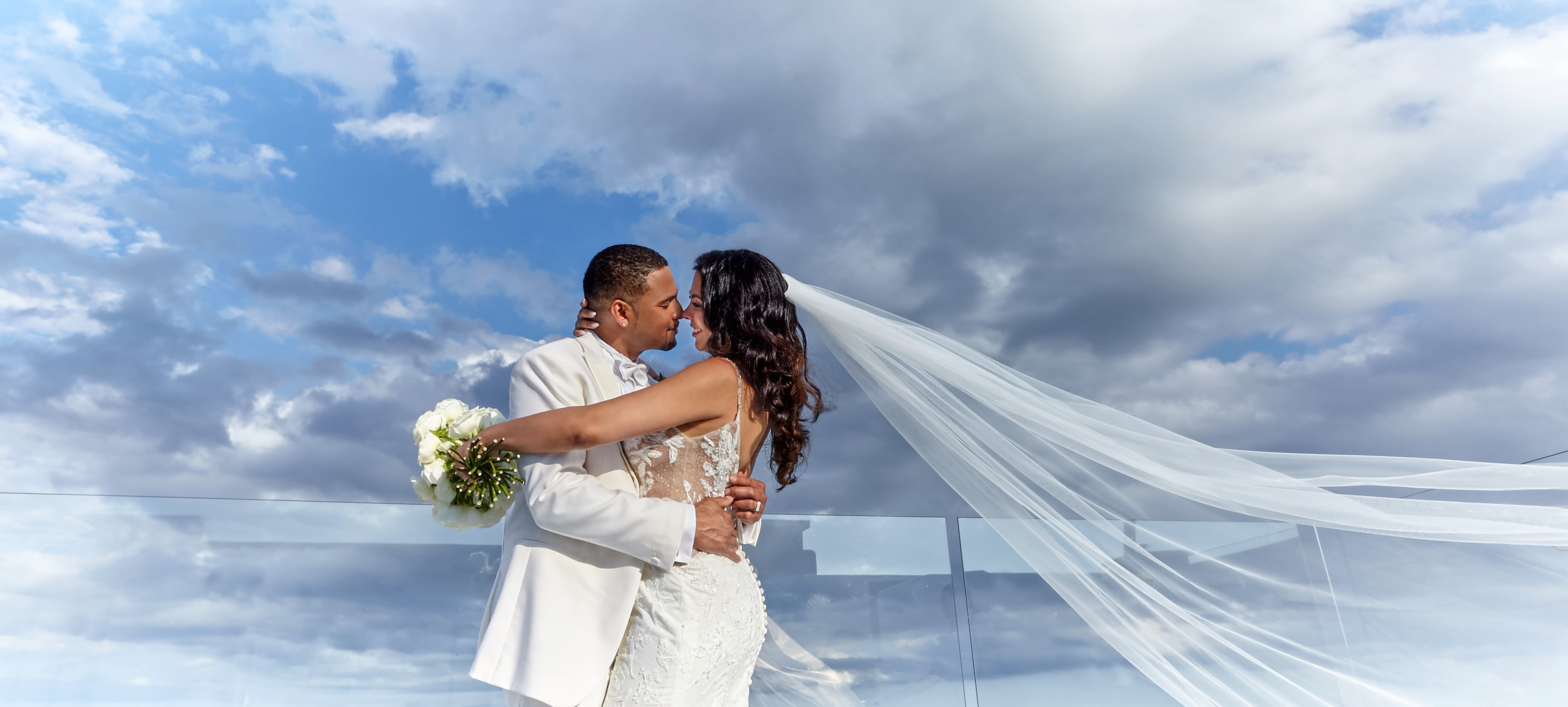
Many couples expect the Coffee Region to look either constantly misty or constantly bright and green. In practice it usually sits somewhere more interesting in between. Cloud cover can soften portraits beautifully. Outdoor ceremonies can feel atmospheric without becoming harsh. Interiors in fincas may need more intentional preparation because they can shift from charming to visually busy very quickly. Large properties can look close on a plan and still ask a lot of walking once formalwear, family and weather enter the picture.
The result is that photography planning here depends less on one dramatic trick and more on several calm decisions made early. Good getting-ready rooms matter. A first look may matter. Family-photo structure matters very much. Travel buffers matter. Coverage hours should match how much the wedding moves rather than how long the party technically lasts. In this region, a more contained day often gives a stronger gallery than a more ambitious day with too many scattered chapters.
This guide works best alongside Wedding Timeline Guide for Colombia's Coffee Region, Coffee Region Wedding Logistics and How Much Does a Wedding Cost in Colombia's Coffee Region?. Photography planning becomes stronger when it is treated as part of the day's structure and not as a separate aesthetic conversation.
One of the region's advantages is that mountain cloud often softens contrast instead of destroying the portrait window altogether.
That benefit disappears if the schedule assumes the same conditions will hold for an hour with no flexibility at all.
Even when the sky is overcast, the last part of the day often feels visually quieter and more generous than midday.
When couples say they want sunset portraits in the Coffee Region, what often matters most is not an orange sky. It is the late-day mood shift. The air may feel softer. Guests are settling into cocktail or dinner energy. The property may look more atmospheric. This is why sunset should be protected as a timing decision even if the weather forecast does not suggest a dramatic sky. The region often rewards that part of the day more emotionally than literally.
The important thing is not to confuse soft light with no planning. If the wedding has already spent too much time moving between rooms, between hotels and venue, or across a large property, even beautiful cloud cannot rescue the feeling of compression. The best photographs usually come when light quality and timeline quality are working together.
A room does not need to be huge, but it should let people dress, move and gather without turning into visual clutter immediately.
Some countryside rooms feel charming in person but still need editing, better organization and fewer people to photograph well.
A Pereira hotel or resort can be a real advantage when the couple wants a cleaner preparation story with less internal movement.
Smaller or more selective properties can photograph beautifully, but only when the couple chooses one or two key preparation spaces well.
The best getting-ready spaces in this region usually do three things well: they give enough room around the bed or dressing area, they provide workable natural light for part of the morning, and they allow the room to stay emotionally focused instead of socially chaotic. That last part matters especially in destination weddings where many people are excited and nearby. A good room can still photograph poorly if everyone uses it as a lounge.
If the strongest room belongs to one partner and not the other, that is not automatically a problem. What matters is planning the morning around the room that can carry the most visual and emotional value, while keeping the second room simpler and more efficient.
Large Colombian family structures are common in Coffee Region weddings, and that means family photography should not be left to improvisation. One written list, one organizer per side and one chosen background usually protect the day far better than vague instructions to “do family photos quickly after the ceremony.” The problem is rarely that family photos exist. The problem is that the search for people begins inside the photo block itself.
First looks are often useful here, not because every couple must have one, but because they can protect later parts of the day when the venue format is more complex. A wedding with a religious ceremony, a large family structure or a large property may benefit a lot from moving some portraits or private time earlier.
Couple portraits should also follow the logic of the venue. A compact hotel wedding may need only one short block. A large finca may need more walking time and a more deliberate route. Outdoor ceremonies can give a beautiful emotional transition into portraits, but only if the weather backup is respected and family photos do not sprawl into the best light.
| Photo chapter | What helps it work well |
|---|---|
| Family photos | Written list, one organizer per family and one chosen background |
| Couple portraits | Protected block with realistic walking time and weather flexibility |
| Wedding party | Clear direction and not too many disconnected portrait locations |
| Reception details | Enough access before the room fully fills with guests |
That is one of the main reasons galleries can start feeling rushed late in the day. The problem is usually not the portrait style. It is that the property, the family and the schedule were all moving more than the couple understood early enough.
May not need a second photographer if the day is compact and the main priorities are clear.
Often benefits from a stronger coverage structure because movement, family flow and detail timing become more layered.
May justify second coverage or longer coverage when arrivals, welcome events or simultaneous stories are part of the weekend.
There is no rule that every Coffee Region wedding needs a second photographer. There is also no rule that a full destination weekend should always be covered by one. The right decision depends on the real structure of the day. If the couple is getting ready far apart, if ceremony and reception require simultaneous documentary and detail coverage, or if guest movement is unusually layered, second coverage may protect the story better.
Coverage hours should be decided the same way. A one-property hotel wedding and a countryside destination wedding with shuttles may both last “all day,” but they do not create the same coverage demands. A wedding that moves more often usually needs more protected coverage simply because each transition costs time, energy and visual opportunity. This is where How Many Hours of Wedding Photography Do You Need? and the Wedding Photography Hours Calculator become useful companions.
Reception lighting also deserves realism. Some hotel venues absorb lighting beautifully. Some countryside spaces may require more active planning around darkness, candles, dance-floor mood and what the room should feel like in photographs once the natural light disappears. Good reception photographs are rarely accidental. They usually come from a day whose earlier chapters stayed controlled enough that the night could breathe.
The main regional conversion page for venue context, photography coverage and planning direction.
Use this when photography questions start becoming schedule and movement questions.
Useful when the photography conversation is tied to venue format, transport and destination-weekend structure.
The broad venue shortlist for comparing hotels, fincas, resorts and mountain properties.
Helpful if the wedding still needs a clearer destination structure for guests and hospitality.
Use this for roads, shuttles, hotel bases and the movement decisions that affect the gallery.
Usually yes. The mountain atmosphere, the cloud cover, the venue scale and the way many weddings split hotel and countryside logic all change the gallery.
Yes, but not because sunset always means dramatic color. It often matters more because the day softens and the emotional rhythm becomes easier to photograph.
Very often, especially when family structure is large, the venue is spread out or the ceremony format would otherwise compress portraits later.
Very important. They shape the first part of the gallery and strongly affect whether the morning feels calm or chaotic on camera.
When the day includes more simultaneous chapters, more movement or more destination layering than one compact wedding can comfortably absorb.
Start with the venue format, the amount of movement and whether the couple wants full preparation through late-night party coverage. Then compare that with the hours guide and calculator.
Continue with Wedding Timeline Guide for Colombia's Coffee Region, Coffee Region Wedding Logistics and Best Time of Year for a Wedding in Colombia's Coffee Region.
Share the venue shortlist, whether the wedding is hotel-based or finca-based, and whether the weekend includes several guest chapters. That is usually enough to start shaping a much smarter coverage structure.
El Eje Cafetero se fotografía distinto a Bogotá, distinto a Medellín y todavía más distinto a Cartagena. La luz de montaña, la nube, la cantidad de verde, la forma en que muchas parejas dividen el fin de semana entre una base hotelera y una propiedad rural, y la escala de muchas fincas cambian la galería. Esta página está escrita desde la mirada del fotógrafo, pero en realidad es una guía de planeación. Las imágenes más fuertes aquí casi siempre nacen de una estructura más calmada y no de perseguir condiciones supuestamente perfectas.
La guía se enfoca en cómo planear bien la fotografía entre Pereira, Armenia, fincas de Quindio y el lado de Manizales. Cubre cuartos de preparación, ceremonias exteriores, first look, fotos familiares, retratos, luz de recepción, viajes entre locaciones, criterio de segundo fotógrafo, horas de cobertura y respaldo climático. No parte de la idea de que toda boda del Eje Cafetero es un fin de semana destino de una sola propiedad, porque muchas no lo son.
Muchas parejas esperan que el Eje Cafetero se vea o siempre muy nublado o siempre muy brillante y verde. En la práctica suele ofrecer algo más interesante en el medio. La nube puede suavizar retratos de forma muy bonita. Las ceremonias exteriores pueden sentirse atmosféricas sin volverse agresivas. Los interiores de finca a veces necesitan más intención porque pueden pasar de encantadores a visualmente desordenados muy rápido. Las propiedades grandes pueden verse cercanas en el plano y aun así exigir bastante caminata cuando entran vestido formal, familia y clima.
El resultado es que la planeación fotográfica aquí depende menos de un truco dramático y más de varias decisiones serenas tomadas temprano. Buenos cuartos de preparación importan. Un first look puede importar. La estructura de familia importa muchísimo. Los buffers de traslado importan. Las horas de cobertura deberían seguir cuánto se mueve la boda y no solo hasta qué hora técnicamente dura la fiesta. En esta región, un día más contenido muchas veces regala mejor galería que un día más ambicioso con demasiados capítulos dispersos.
Esta guía funciona mejor junto con Cronograma para una boda en el Eje Cafetero, Logística para bodas en el Eje Cafetero y ¿Cuánto cuesta una boda en el Eje Cafetero?. La fotografía mejora mucho cuando se trata como parte de la estructura del día y no como una conversación estética separada.
Una de las ventajas de la región es que la nube de montaña suele suavizar el contraste en vez de destruir la ventana de retratos por completo.
Esa ventaja desaparece si el horario asume que las mismas condiciones durarán una hora sin flexibilidad alguna.
Aun con cielo cubierto, el tramo final del día suele sentirse visualmente más tranquilo y más generoso que el mediodía.
Cuando la pareja dice que quiere sunset portraits en el Eje Cafetero, muchas veces lo que realmente importa no es un cielo naranja. Lo que importa es el cambio de ánimo al final de la tarde. El aire se puede sentir más suave. Los invitados ya están entrando a modo cóctel o cena. La propiedad puede verse más atmosférica. Por eso conviene proteger el atardecer como decisión de horario incluso si el pronóstico no promete color dramático. La región suele premiar mucho esa parte del día en lo emocional.
Lo importante es no confundir luz amable con ausencia de planeación. Si la boda ya gastó demasiado tiempo moviéndose entre cuartos, entre hotel y venue o a través de una finca grande, incluso la mejor nube no rescata la sensación de compresión. Las mejores fotografías suelen llegar cuando calidad de luz y calidad de timeline están funcionando juntas.
El cuarto no necesita ser enorme, pero sí debería permitir vestir, moverse y recibir a la gente importante sin volverse desorden inmediato.
Algunos cuartos campestres se sienten encantadores en persona y aun así necesitan más edición visual, mejor orden y menos gente para fotografiarse bien.
Un hotel o resort en Pereira puede ser una ventaja real cuando la pareja quiere una historia de preparación más limpia y con menos movimiento.
Los lugares más pequeños o selectivos pueden verse hermosos, pero solo cuando la pareja escoge uno o dos espacios de preparación con criterio.
Los mejores cuartos de preparación en esta región casi siempre hacen bien tres cosas: dejan suficiente aire alrededor de la cama o zona de vestido, entregan luz natural trabajable durante parte de la mañana y permiten que el cuarto se mantenga emocionalmente enfocado en lugar de volverse sala social. Ese último punto pesa mucho en bodas destino donde hay más gente emocionada cerca. Un cuarto bueno igual puede fotografiarse mal si todo el mundo lo usa como lounge.
Si el mejor cuarto pertenece a uno de los dos y no al otro, eso no es necesariamente un problema. Lo importante es planear la mañana alrededor del espacio que más valor visual y emocional puede cargar, mientras el segundo cuarto se mantiene más simple y eficiente.
Las familias colombianas grandes son comunes en bodas del Eje Cafetero, y eso significa que la fotografía familiar no debería dejarse a la improvisación. Una lista escrita, un organizador por lado y un solo fondo elegido suelen proteger el día mucho mejor que instrucciones vagas de “hacemos familia rápido después de la ceremonia”. El problema casi nunca es que existan fotos familiares. El problema es que la búsqueda de gente empieza dentro del bloque mismo.
Los first looks son muy útiles aquí, no porque toda pareja tenga que hacer uno, sino porque pueden proteger mucho el resto del día cuando el formato del venue es más complejo. Una boda con ceremonia religiosa, con familia grande o con propiedad muy amplia puede beneficiarse bastante de mover retratos o tiempo privado hacia más temprano.
Los retratos de pareja también deberían seguir la lógica del venue. Una boda compacta de hotel puede necesitar solo un bloque corto. Una finca grande puede exigir más caminata y una ruta más pensada. Las ceremonias exteriores pueden regalar una transición emocional muy bonita hacia retratos, pero solo si el plan de lluvia está realmente respetado y las fotos familiares no se comen la mejor luz.
| Capítulo fotográfico | Qué lo hace funcionar bien |
|---|---|
| Fotos familiares | Lista escrita, un organizador por familia y un solo fondo elegido |
| Retratos de pareja | Bloque protegido con caminata realista y flexibilidad frente al clima |
| Wedding party | Dirección clara y no demasiadas locaciones desconectadas |
| Detalles de recepción | Acceso suficiente antes de que el salón se llene del todo |
Esa es una de las razones más frecuentes por las que las galerías empiezan a sentirse apretadas más tarde. El problema no suele ser el estilo de retrato. El problema suele ser que la propiedad, la familia y el horario se estaban moviendo más de lo que la pareja entendió a tiempo.
Puede no necesitar segundo fotógrafo si el día es compacto y las prioridades están claras.
Muchas veces agradece una estructura de cobertura más fuerte porque movimiento, familia y detalles se vuelven más complejos.
Puede justificar segunda cobertura o más horas cuando hay llegadas, bienvenidas o historias simultáneas.
No existe una regla que diga que toda boda del Eje Cafetero necesita segundo fotógrafo. Tampoco existe una regla que diga que todo wedding weekend se debería cubrir con una sola persona. La decisión correcta depende de la forma real del día. Si la pareja se prepara lejos, si ceremonia y recepción exigen cobertura simultánea o si el movimiento de invitados es especialmente complejo, la segunda cobertura puede proteger mejor la historia.
Las horas de cobertura deberían decidirse igual. Una boda hotelera de una sola propiedad y una boda campestre con shuttles pueden durar técnicamente “todo el día”, pero no crean la misma demanda real de cobertura. Una boda que se mueve más casi siempre necesita más cobertura protegida simplemente porque cada transición cuesta tiempo, energía y oportunidad visual. Aquí es donde ¿Cuántas horas de fotografía de boda necesitan? y la Calculadora de horas de fotografía de boda ayudan muchísimo.
La luz de recepción también merece realismo. Algunos hoteles reciben muy bien la iluminación de fiesta. Algunos espacios rurales exigen más planeación activa alrededor de oscuridad, velas, atmósfera de pista y cómo se debería sentir el salón en foto cuando ya no hay luz natural. Las buenas fotos de noche casi nunca son accidente. Suelen salir de un día cuyos capítulos anteriores se mantuvieron lo bastante controlados como para que la noche pudiera respirar.
La página regional principal de conversión para venue, cobertura y dirección general de planeación.
Úsala cuando las preguntas de fotografía ya se estén convirtiendo en preguntas de horario y movimiento.
Muy útil cuando la conversación de foto está ligada al formato de venue, transporte y fin de semana destino.
La shortlist amplia para comparar hoteles, fincas, resorts y propiedades de montaña.
Útil si la boda todavía necesita una estructura destino más clara para invitados y hospitalidad.
Úsala para carretera, shuttles, bases hoteleras y decisiones de movimiento que afectan la galería.
Normalmente sí. La atmósfera de montaña, la nube, la escala del venue y la mezcla entre hotel y campo cambian mucho la galería.
Sí, aunque no por color dramático necesariamente. Muchas veces importa más porque el día se suaviza y el ritmo emocional se vuelve más fácil de fotografiar.
Muy a menudo sí, sobre todo cuando la familia es grande, la propiedad es amplia o la ceremonia va a comprimir retratos después.
Muchísimo. Cambian por completo la primera parte de la galería y definen si la mañana se siente serena o caótica en cámara.
Cuando el día tiene más capítulos simultáneos, más movimiento o más capas destino de las que una sola cobertura compacta puede absorber con calma.
Empiecen por el tipo de venue, la cantidad de movimiento y si quieren cobertura completa desde preparación hasta la noche. Luego compárenlo con la guía y la calculadora.
Sigan con Cronograma para una boda en el Eje Cafetero, Logística para bodas en el Eje Cafetero y Mejor época del año para una boda en el Eje Cafetero.
Compartan la shortlist de venues, si la boda se siente más hotelera o más de finca, y si el fin de semana incluye varios capítulos para invitados. Con eso normalmente ya se puede diseñar una estructura de cobertura mucho más inteligente.