Coffee Region Wedding Budget Guide

How Much Does a Wedding Cost in Colombia's Coffee Region?

Coffee Region wedding budgets become confusing when couples try to price the region as if Pereira, Armenia, Manizales, a hotel wedding, a finca weekend and a boutique destination celebration were all versions of the same event. They are not. The strongest budget decisions in this region usually happen before a couple compares florist proposals or photography quotes. They happen when the couple chooses the wedding format, the guest-stay strategy and how much of the destination should be built into the weekend itself.

This guide is built to help couples understand where the spending structure usually changes in the Eje Cafetero, how hotels and fincas behave differently, where destination guests create real budget lines, and why transport and weather backup often matter as much as decor. These are broad planning bands, not fixed quotes. The goal is to help you build a realistic framework before you start requesting detailed proposals.

How Much Does a Wedding Cost in Colombia's Coffee Region?
Editorial introduction

Why Coffee Region budgets feel less obvious than city budgets

A Bogotá or Medellín budget often becomes clearer once the couple decides between hotel, club, hacienda or finca. In the Coffee Region, that same decision matters, but it is layered with destination geography. Guests may arrive through Pereira, through Armenia's El Edén airport or through Manizales' La Nubia access pattern. Some weddings are centered on one property with rooms on site. Others keep guests in a hotel and move the wedding day into a greener venue. Others still are boutique weekends where the venue itself is the emotional center of the trip. Those are different budget structures before one line item is priced.

The region also changes how hospitality spending behaves. In a city wedding, guest rooms can be important, but they are often peripheral to the event itself. In the Coffee Region, lodging, shuttle decisions, welcome-event design and rain backup can become core parts of the wedding architecture. A couple may think they are choosing a venue when they are actually choosing how much transport, accommodation coordination and weather resilience they need to buy around the wedding.

This page uses broad planning ranges because false precision is not useful at this stage. What matters more is knowing what kind of wedding you are building. If you are still comparing venue structures, keep Best Wedding Venues in Colombia's Coffee Region, Hotel Wedding Venues, Finca Wedding Venues and Destination Weddings in Colombia's Coffee Region open while you read.

Editorial comparison

Broad planning bands for Coffee Region weddings

Wedding formatTypical guest profileBroad planning bandWhat usually drives the number
Intimate countryside or boutique celebration20 to 45 guestsApproximately COP 28M to 60MSelective guest count, venue intimacy, curated food and photography, but lighter production
Hotel-based wedding with destination logic50 to 100 guestsApproximately COP 60M to 120MRooms, food and beverage structure, transport support, rain backup and hospitality sequencing
Finca or estate wedding with off-site lodging70 to 140 guestsApproximately COP 85M to 165M+Transport, rentals, weather planning, guest-flow management and multi-location coordination
One-property destination weekend70 to 130 guests, with a core lodging groupApproximately COP 110M to 210M+Hospitality layers, welcome or farewell events, on-site lodging logic and fuller guest hosting
Highly customized or luxury-leaning regional wedding100 guests and up, or smaller with elevated design expectationsApproximately COP 180M to 350M+Design ambition, larger floral and rental structure, entertainment, multi-event hospitality and premium venue positioning
Planning perspective

The biggest budget choice is not the florist or the photographer. It is the wedding format.

The Coffee Region rewards couples who name the wedding format early. A hotel wedding based in Pereira behaves very differently from a finca wedding in Quindio with guests sleeping elsewhere. A boutique property near Salento behaves differently again. A nature-heavy Manizales property with on-site lodging is another structure entirely. Once those formats are separated, the budget usually becomes much easier to understand.

Hotels often appear more expensive early because their room, food and beverage or event structure is visible from the start. Fincas or estates can look more flexible early because the venue fee seems isolated. But the extra spending often appears later: shuttles, furniture, rain backup, vendor timing, additional power or setup demands, guest return strategy and the extra labor required to make a more open property feel hosted rather than improvised. Neither format is wrong. The mistake is pretending they cost money in the same rhythm.

Geography also changes the budget in subtle ways. Pereira can offer a cleaner hotel base. Armenia and the Quindio corridor often make the destination itself feel more central, which may increase the importance of venue-based lodging or countryside transport. Manizales and Caldas can bring a stronger mountain atmosphere, but that can reward couples who plan more carefully around movement, terrain and a weather-aware timeline. The city or subregion is not only an address. It changes how hospitality and logistics behave.

This is why venue research matters so much in the Eje Cafetero. If you are still deciding whether the wedding should be hotel-led, finca-led or boutique-destination-led, the venue category pages are budget pages in disguise. They tell you which logistical burdens the venue absorbs and which ones the couple will need to buy separately.

Regional budget logic

Pereira, Quindio and Manizales do not increase costs in exactly the same way

Pereira and stronger hotel infrastructure

Pereira often helps couples keep the guest experience more legible. That can make hotel weddings feel easier to budget because accommodation and the main event may sit closer together in the same planning system. The spending tends to concentrate inside hospitality, food and beverage, room strategy and smoother event sequencing.

Armenia, Quindio and countryside identity

Quindio often delivers the destination feeling couples imagine when they say Coffee Region. That can be worth it, but the budget can stretch faster if the wedding depends on a more dispersed countryside layout, off-site accommodations or stronger transport design between hotel, welcome event and wedding day.

Manizales, Caldas and mountain atmosphere

Mountain-led properties can feel deeply specific, especially for couples drawn to ecological or altitude-rich settings. Budgets here can stay elegant and focused, but they benefit from realism around weather, terrain and how much the property itself should host.

One-property versus split-property weekends

When the lodging base, welcome events and wedding day all sit inside one property logic, spending often rises in hospitality but falls in transport friction. Split-property weekends can sometimes feel cheaper at first and more expensive by the time guest movement and event sequencing are solved.

Planning perspective

Where the money usually goes in a Coffee Region wedding

For most Coffee Region weddings, the biggest categories are venue, food and beverage, planning or coordination, design and floral, photography and video, entertainment, beauty, rentals, transport and accommodations linked to the guest experience. The order changes depending on whether the event is hotel-based or finca-based, but the interdependence of these categories is unusually strong here.

Venue and food can behave differently than in a major city because some properties absorb more of the service structure while others ask the couple to build it. A hotel or resort may place more of the spend up front, but it can absorb backup space, room logistics and a clearer operational spine. A finca or nature-led venue may initially feel more open, but it can ask for more staging decisions around tables, weather, family movement, service zones and guest comfort.

Photography is also a structural category here. In the Coffee Region, photography coverage is often shaped by how much the day moves. A property with separate getting-ready spaces, transport for part of the group or a larger landscape footprint can need more protected time than a tightly contained hotel wedding. That is why coverage conversations often become more meaningful when paired with Coffee Region Wedding Logistics and not treated as a separate line item question.

Flowers and decor can vary dramatically. Some venues already bring enough identity that restrained florals can still feel complete. Others depend more heavily on rentals, lighting and floral scale to create the atmosphere. Couples often save more money by choosing a venue whose natural mood already matches the wedding than by trying to force a neutral venue into a more editorial look later.

Entertainment also deserves honesty. A DJ-only night behaves very differently from a wedding that wants live music, multiple sonic chapters or a fuller party-production structure. In the Coffee Region, where guest comfort and return transport may already require real planning, entertainment should be chosen with the full day structure in mind and not only as an isolated dream category.
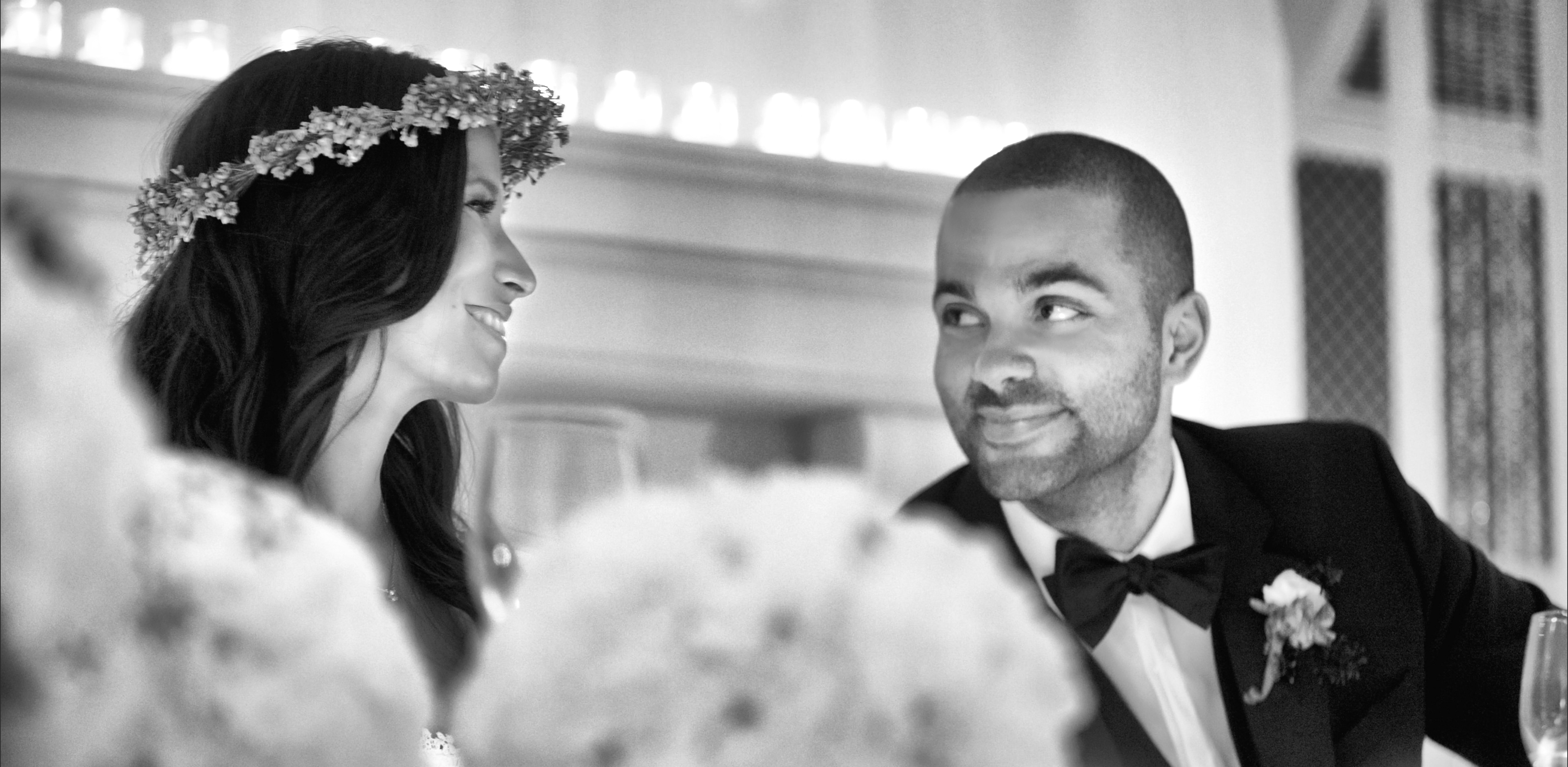
Destination spending

Guest accommodation and multi-day hosting can quietly become part of the real wedding budget

Many Coffee Region weddings are not only one-event celebrations. They are destination weekends in practice, even if the couple does not describe them that way at first. Guests may arrive on Friday, attend a welcome dinner, move through a countryside wedding on Saturday and leave on Sunday. Once the wedding behaves this way, the spending logic changes. The couple is not only budgeting for a ceremony and reception. They are budgeting for a hosted experience.

That does not mean every couple needs to pay for all guest rooms. It means room blocks, priority guest lodging, welcome-event design, shuttle movement, departure timing and how much hospitality the couple wants to underwrite should be discussed clearly. A couple may not need a large design budget, for example, if they know the deeper emotional value is making the weekend feel calm and easy for family traveling from abroad or from other Colombian cities.

One-property weekends often make hospitality easier to read. The same property may host rooms, rehearsal or welcome drinks, the wedding day and breakfast the next morning. That can be worth real money because it reduces fragmentation. Split-property weekends can still be excellent, but they often move cost from visible venue spend into transport, communication and extra coordination layers.

Weekend budgets are also affected by who the destination guests are. If most guests already know the region and are arranging their own movement, hospitality can stay lighter. If the guest list includes international travelers, older relatives or families with children, couples usually feel the need for clearer transport and lodging guidance much earlier in the process. That is not wasted spending. It is the difference between the weekend feeling curated and the weekend feeling like guests are solving the destination on their own.

Planning perspective

What changes the budget fastest: finca versus hotel, one-location versus separate locations, and weather resilience

The fastest budget escalators in the Coffee Region are not always the glamorous ones. They are the structural shifts. The first is finca versus hotel. The second is whether the wedding lives in one clear location or depends on multiple separate environments. The third is how seriously the couple plans for weather. Those three choices can move the budget more dramatically than shaving small percentages from individual vendor categories.

A finca or estate can be incredibly rewarding, but only if the couple accepts what comes with it: transport, terrain, service flow, backup planning and sometimes more setup infrastructure. A hotel can be calmer and easier to budget because the event sits inside a more consolidated operating environment. That does not make hotels better. It means the spending is concentrated differently and often more honestly from the start.

One-location weddings also protect the budget in invisible ways. When guests prepare, arrive, celebrate and depart inside a simpler story of movement, the day usually needs fewer fixes. Separate ceremony and reception locations can be beautiful, especially if the difference between them is emotionally central to the vision, but those transitions nearly always create extra cost somewhere: more transportation, longer coverage, longer staffing days or more opportunity for schedule slippage.

Weather resilience matters because the region is not emotionally strongest when couples pretend the climate should behave like a fixed backdrop. The best budget conversations happen when the couple asks, “if this outdoor version shifts, can the wedding still feel like the same wedding?” If the answer is no, then more spending will often be needed somewhere to protect the atmosphere.

Planning perspective

The costs that surprise couples most in the Coffee Region

The most common budget surprises are guest movement, rain backup, staging and the cost of making a beautiful regional property function smoothly for real people in formal clothes. Couples rarely forget to budget for food. They often forget to budget for how guests get from hotel to finca, how a welcome event behaves if guests arrive at different hours, or what happens if the ceremony plan changes because the weather turns.

There is also the cost of distance inside the venue itself. A large property can be a visual gift and an operational expense at the same time. More movement means more time, more coordination and sometimes a need for tighter transportation or guest guidance within the day. The same is true when getting-ready spaces are far from the ceremony zone or when the reception sits in a different part of the property than cocktail hour.

Destination guest lists create another quiet category: communication. Clear guest itineraries, shuttle sequencing, room guidance and family-specific movement plans are not always glamorous, but they reduce stress and protect the experience. When that structure is missing, couples usually spend the cost later in the form of emergency coordination, stretched timelines or compromised hospitality.

Finally, some couples underestimate how much the weekend format itself changes the budget. A welcome dinner, a farewell brunch or even a more elaborate check-in experience may be worth it. They just need to be treated as real hosting decisions rather than as optional accessories that somehow happen without consequences.

Photographer's Perspective

In the Coffee Region, money often disappears not because one vendor is too expensive, but because the wedding is moving more than the couple realized

If the property is large, the hotel base is separate, the ceremony is outdoors and the guest list is traveling in from different directions, the budget should reflect that structure honestly. Simplifying movement often protects both the guest experience and the photography more effectively than trimming the wrong category.

Planning perspective

How to prioritize without making the wedding feel diluted

The healthiest Coffee Region budgets are rarely the ones where every category gets cut equally. They are the ones where the couple is honest about what the destination is supposed to do. Some couples want the landscape and the property to carry the feeling, which means they may spend more on the venue format, guest comfort and photography while keeping design cleaner. Others want a stronger welcome event and guest-hosting layer because the wedding is truly destination-led. Others want the central investment to sit in the main day and keep the surrounding hospitality simpler.

A useful exercise is to identify the three categories that most define the emotional success of the wedding and the three categories that simply need to run cleanly. In the Coffee Region, those defining categories are often not only decor and music. They can be accommodation, transport coherence and whether the property itself feels like the right base for the story of the weekend.

It also helps to build the budget alongside the timeline. Cost and timing are deeply connected in this region. A wedding that moves through too many transitions will usually cost more. A wedding that keeps the guest story clear often spends better, even if it is still refined. If you are still testing venue type rather than final numbers, the next most useful page is How to Choose a Wedding Venue in Colombia's Coffee Region.

When the budget feels unstable, the right response is often to simplify the wedding architecture instead of negotiating every vendor harder. Fewer guests, one less transition, a better-matched property or a clearer lodging strategy usually protects the experience more effectively than reducing quality everywhere at once.

Planning lens

Four budget truths that matter early in the Coffee Region

Venue type changes the budget architecture

The difference between hotel, finca and boutique destination property often matters more than the difference between two vendors in the same category.

Guest lodging is not side information

In a regional wedding market, room strategy often affects the whole emotional tone of the weekend.

Transport is part of the wedding

Shuttles, returns and separate bases are hospitality decisions, not only operations.

Weather planning has a real cost

The budget should support a version of the wedding that still feels complete if the day shifts.

MARK'S TIP

A practical note before you keep budgeting

If the numbers still feel unstable, stop comparing vendors for a moment and ask whether the wedding format is still the right one. In the Coffee Region, couples often save more by simplifying movement and guest logistics than by negotiating one category after another.

Planning cluster

Continue planning your Coffee Region wedding

Coffee Region Wedding Photographer

The main regional hub for photography, venue routing and destination planning across Pereira, Armenia, Manizales and the wider Eje Cafetero.

Wedding Cost Colombia

Useful when you are still comparing the Coffee Region against Colombia's other main wedding markets.

FAQ

Frequently asked questions

Is there one average price for a Coffee Region wedding?

No. Hotel weddings, finca weddings, boutique weekends and one-property destination celebrations behave very differently, so one average number can mislead more than it helps.

Why do finca weddings often rise in cost later?

Because the venue fee is only one part of the structure. Transport, rentals, weather backup and guest-flow planning often emerge after the venue is chosen.

Are hotel weddings always more expensive?

Not necessarily. They can look heavier up front because more of the cost is visible early, but they may also absorb services that a finca wedding would need to add separately.

Should we budget guest hospitality separately from the wedding itself?

In many Coffee Region weddings, yes. Destination hosting can become a major part of the real event experience, especially if the group is traveling from abroad or from other cities.

Does Pereira automatically make a wedding cheaper?

No. Pereira can make some hotel-based formats easier to organize, but the final cost still depends on venue type, guest pattern and how the weekend is structured.

Can one-property weekends cost more but still be the smarter choice?

Yes. They may cost more in visible hospitality, but they can reduce fragmentation, transport stress and coordination waste across the weekend.

How much should we budget for weather backup?

There is no universal line item. The better question is whether the venue's backup plan still supports the same atmosphere and guest count without major last-minute compromise.

What should we read after this?

Continue with Coffee Region Wedding Logistics, How to Choose a Wedding Venue in Colombia's Coffee Region and Destination Weddings in Colombia's Coffee Region.

Next step

Need help matching your budget to the right Coffee Region wedding format?

Share your likely guest count, whether the wedding should be hotel-led or finca-led, and whether guests will stay on one property or across several bases. Mark Anthony Photography can help you think through coverage, movement and planning priorities with the real structure of the weekend in mind.

Check Availability
Guía de presupuesto para bodas en el Eje Cafetero

¿Cuánto cuesta una boda en el Eje Cafetero?

Los presupuestos de boda en el Eje Cafetero se vuelven confusos cuando la pareja intenta ponerle precio a la región como si Pereira, Armenia, Manizales, una boda en hotel, un fin de semana en finca y una celebración boutique de destino fueran versiones de un mismo evento. No lo son. Las decisiones presupuestales más fuertes aquí casi siempre ocurren antes de comparar cotizaciones de flores o de fotografía. Ocurren cuando la pareja define el formato de boda, la estrategia de hospedaje y cuánto del destino debería incorporarse al fin de semana.

Esta guía está pensada para ayudar a entender dónde suele cambiar la estructura del gasto en el Eje Cafetero, cómo se comportan distinto hoteles y fincas, dónde los invitados de destino sí crean rubros reales y por qué transporte y plan de lluvia a veces pesan tanto como la decoración. Estas son bandas amplias de planeación, no cotizaciones fijas. La idea es construir una base realista antes de salir a pedir propuestas detalladas.

¿Cuánto cuesta una boda en el Eje Cafetero?
Introducción editorial

Por qué los presupuestos del Eje Cafetero se sienten menos obvios que los de una ciudad

En Bogotá o Medellín el presupuesto suele aclararse cuando la pareja define si la boda será en hotel, club, hacienda o finca. En el Eje Cafetero esa decisión igual importa, pero viene mezclada con geografía destino. Los invitados pueden llegar por Pereira, por el Aeropuerto El Edén de Armenia o por la lógica de acceso de La Nubia en Manizales. Algunas bodas se concentran en una sola propiedad con habitaciones en sitio. Otras alojan a la gente en hotel y llevan el día principal a un venue más verde. Otras son fines de semana boutique donde la misma propiedad es el centro emocional del viaje. Son arquitecturas de gasto distintas antes de cotizar una sola línea.

La región también cambia la manera en que se comporta el gasto de hospitalidad. En una boda urbana, los cuartos de invitados pueden importar, pero muchas veces siguen estando alrededor del evento. En el Eje Cafetero, alojamiento, shuttles, bienvenida y plan de lluvia pueden convertirse en partes centrales de la boda. A veces la pareja cree que está escogiendo un venue, cuando en realidad está escogiendo cuánta coordinación de transporte, hotelería y resiliencia climática tendrá que comprar alrededor del evento.

Esta página usa rangos amplios porque la falsa precisión no sirve en esta etapa. Lo que más importa es entender qué tipo de boda están construyendo. Si todavía están comparando formatos de venue, conviene leerla con Lugares para bodas en el Eje Cafetero, Hoteles para bodas, Fincas para bodas y Bodas de destino en el Eje Cafetero.

Comparación editorial

Bandas amplias de planeación para bodas en el Eje Cafetero

Formato de bodaPerfil típico de invitadosBanda amplia de planeaciónQué suele mover el número
Boda íntima campestre o boutique20 a 45 invitadosAproximadamente COP 28M a 60MLista curada, venue más íntimo, buena comida y fotografía, pero producción más contenida
Boda en hotel con lógica destino50 a 100 invitadosAproximadamente COP 60M a 120MHabitaciones, estructura de alimentos y bebidas, soporte de transporte, plan de lluvia y hospitalidad
Boda en finca o estate con hospedaje fuera del venue70 a 140 invitadosAproximadamente COP 85M a 165M+Transporte, rentals, clima, flujo de invitados y coordinación entre locaciones
Fin de semana destino en una sola propiedad70 a 130 invitados, con un grupo central hospedado en sitioAproximadamente COP 110M a 210M+Hospitalidad, bienvenida o despedida, lógica de hospedaje y hosting más completo
Boda altamente personalizada o con enfoque luxury100 invitados en adelante, o menos con aspiración alta de diseñoAproximadamente COP 180M a 350M+Diseño, flores, música, varios eventos, hospitalidad extendida y venue premium
Perspectiva de planeación

La decisión presupuestal más grande no suele ser el florista ni el fotógrafo. Es el formato de la boda.

El Eje Cafetero premia a las parejas que nombran temprano el formato de boda. Una boda en hotel basada en Pereira se comporta muy distinto a una boda en finca en Quindio con invitados durmiendo en otra parte. Una propiedad boutique cerca de Salento funciona distinto otra vez. Y una propiedad de naturaleza en Manizales con hotelería en sitio crea otra estructura. Cuando esos formatos se separan, el presupuesto normalmente se vuelve mucho más entendible.

Los hoteles suelen parecer más caros al inicio porque habitación, alimentos y bebidas o estructura del evento son visibles desde temprano. Las fincas o estates pueden sentirse más flexibles al principio porque el fee del venue se ve aislado. Pero el gasto adicional muchas veces aparece después: shuttles, mobiliario, plan de lluvia, tiempos de proveedores, apoyo extra de montaje, regreso de invitados y el trabajo adicional que implica que una propiedad más abierta se sienta atendida y no improvisada. Ningún formato está mal. El error es fingir que gastan en el mismo ritmo.

La geografía también cambia el presupuesto de formas sutiles. Pereira puede ofrecer una base hotelera más limpia. Armenia y el corredor de Quindio suelen hacer que el destino mismo se sienta más central, lo que puede aumentar el peso del hospedaje en la propiedad o del transporte campestre. Manizales y Caldas pueden dar una atmósfera de montaña más marcada, pero premian a parejas que piensan mejor en clima, terreno y cronograma. La ciudad o subregión no es solo una dirección. Cambia cómo se comportan la hospitalidad y la logística.

Por eso la investigación de venues importa tanto en esta región. Si todavía están decidiendo si la boda debería ir por hotel, por finca o por propiedad boutique de destino, las páginas de categoría también son páginas de presupuesto. Muestran qué cargas logísticas absorbe el venue y cuáles le toca comprar aparte a la pareja.

Lógica regional de presupuesto

Pereira, Quindio y Manizales no encarecen la boda exactamente de la misma manera

Pereira y mayor infraestructura hotelera

Pereira suele ayudar a que la experiencia del invitado sea más legible. Eso puede volver más fáciles de presupuestar las bodas en hotel porque alojamiento y evento principal quedan dentro de una estructura más coherente. El gasto tiende a concentrarse en hospitalidad, alimentos y bebidas, hotelería y un flujo más limpio.

Armenia, Quindio e identidad campestre

Quindio muchas veces entrega la sensación destino que las parejas imaginan cuando dicen Eje Cafetero. Eso puede valer muchísimo, pero el presupuesto se puede estirar más rápido si la boda depende de una propiedad campestre más dispersa, de hospedaje fuera del venue o de transporte más complejo entre hotel, bienvenida y boda.

Manizales, Caldas y atmósfera de montaña

Las propiedades más montañosas o naturales pueden sentirse muy específicas, sobre todo para parejas atraídas por altura o contexto ecológico. El presupuesto aquí puede mantenerse elegante y enfocado, pero gana mucho con realismo sobre clima, terreno y cuánto debería hospedar la propiedad misma.

Una sola propiedad versus varias bases

Cuando hotelería, bienvenida y día principal viven dentro de una sola lógica de propiedad, el gasto suele subir en hospitalidad pero bajar en fricción. Los fines de semana repartidos entre varias bases a veces parecen más económicos al principio y más caros cuando ya hay que resolver movimiento y coordinación.

Perspectiva de planeación

Dónde suele ir el dinero en una boda del Eje Cafetero

En la mayoría de bodas del Eje Cafetero, las categorías más grandes suelen ser venue, alimentos y bebidas, planeación o coordinación, diseño y flores, fotografía y video, entretenimiento, belleza, rentals, transporte y alojamiento vinculado a la experiencia del invitado. El orden cambia según el formato hotelero o campestre, pero la interdependencia entre categorías aquí es especialmente fuerte.

Venue y comida pueden comportarse distinto a una gran ciudad porque algunas propiedades absorben más estructura de servicio mientras otras le piden a la pareja construirla. Un hotel o resort puede concentrar más gasto desde el inicio, pero también absorber mejor el plan B, la lógica de habitaciones y la columna operativa del evento. Una finca o venue natural puede sentirse más abierta al comienzo, pero exigir más decisiones de montaje, clima, circulación familiar y comodidad de invitados.

La fotografía también es una categoría estructural aquí. En el Eje Cafetero, la cobertura suele quedar definida por cuánto se mueve el día. Una propiedad con espacios de preparación separados, transporte para parte del grupo o un footprint más amplio casi siempre necesita más tiempo protegido que una boda hotelera muy contenida. Por eso las conversaciones de cobertura mejoran mucho cuando se leen junto a Logística para bodas en el Eje Cafetero y no como un rubro aislado.

Flores y decoración pueden variar muchísimo. Algunos venues ya traen suficiente identidad para que una propuesta sobria se sienta completa. Otros dependen más de rentals, iluminación o volumen floral para producir ambiente. Muchas parejas ahorran más escogiendo una propiedad cuyo mood ya coincida con la boda que tratando de empujar un venue neutro hacia una estética más editorial después.

La música también merece honestidad. Un DJ no se comporta igual que una boda que quiere banda en vivo, varios momentos musicales o una fiesta con más producción. En el Eje Cafetero, donde comodidad de invitados y retorno nocturno ya pueden requerir planeación, la música conviene elegirla mirando la estructura completa del día y no solo como una categoría soñada aparte.

Gasto de destino

Hospedaje y hosting de varios días pueden convertirse en parte real del presupuesto de boda

Muchas bodas en el Eje Cafetero no son solamente una celebración de una noche. En la práctica son fines de semana destino, incluso si al principio la pareja no los describe así. Los invitados pueden llegar el viernes, asistir a una bienvenida, moverse a una boda campestre el sábado y salir el domingo. Cuando la boda se comporta así, la lógica del gasto cambia. La pareja ya no solo está presupuestando ceremonia y recepción. Está presupuestando una experiencia hospedada.

Eso no significa que toda pareja tenga que pagar todas las habitaciones. Significa que room blocks, alojamiento de invitados prioritarios, diseño de la bienvenida, movimiento en shuttle, hora de salida y el nivel de hospitalidad que la pareja sí quiere sostener deberían hablarse con claridad. A veces una pareja no necesita tanta inversión en diseño si sabe que el valor emocional mayor está en hacer que el fin de semana se sienta fácil y amable para familia que viene del exterior o de otras ciudades.

Los fines de semana en una sola propiedad suelen hacer que la hospitalidad sea más legible. El mismo lugar puede absorber habitaciones, bienvenida, boda principal y desayuno del día siguiente. Eso puede valer dinero real porque reduce fragmentación. Los fines de semana partidos entre varias bases igual pueden ser excelentes, pero muchas veces trasladan gasto desde el venue visible hacia transporte, comunicación y coordinación adicional.

El presupuesto de varios días también cambia según quiénes sean los invitados destino. Si la mayoría ya conoce la región y resuelve su propio movimiento, la hospitalidad puede quedarse más ligera. Si la lista incluye viajeros internacionales, familiares mayores o niños, muchas parejas sienten la necesidad de diseñar mejor transporte y hotelería mucho más temprano. Eso no es gasto perdido. Es la diferencia entre un fin de semana curado y uno donde los invitados tienen que descifrar el destino por su cuenta.

Perspectiva de planeación

Lo que más rápido cambia el presupuesto: finca versus hotel, una sola locación versus varias y resiliencia frente al clima

Los aceleradores de presupuesto más rápidos en el Eje Cafetero no siempre son los más glamorosos. Son los cambios estructurales. El primero es finca versus hotel. El segundo es si la boda vive en una sola locación clara o depende de varios entornos separados. El tercero es qué tan en serio se toma la pareja el clima. Esas tres decisiones pueden mover más el presupuesto que recortar pequeños porcentajes en categorías individuales.

Una finca o estate puede ser lindísima, pero solo si la pareja acepta lo que trae consigo: transporte, terreno, flujo de servicio, plan B y en algunos casos más infraestructura de montaje. Un hotel puede ser más sereno y más fácil de presupuestar porque el evento vive dentro de una operación más consolidada. Eso no hace mejor al hotel. Solo significa que el gasto se concentra distinto y, muchas veces, de forma más honesta desde temprano.

Las bodas de una sola locación también protegen el presupuesto de maneras invisibles. Cuando invitados, ceremonia, celebración y salida viven dentro de una historia más simple de movimiento, el día necesita menos correcciones. Ceremonia y recepción en sitios distintos pueden ser preciosas, especialmente si esa diferencia es central a la visión, pero esas transiciones casi siempre crean costo en alguna parte: más transporte, más horas, más staff o más margen para que el cronograma se desordene.

La resiliencia frente al clima importa porque la región no se siente más fuerte cuando la pareja finge que el tiempo debería comportarse como un fondo fijo. Las mejores conversaciones de presupuesto ocurren cuando la pareja se pregunta: “si cambia la versión exterior, ¿la boda igual sigue sintiéndose como la misma boda?” Si la respuesta es no, entonces en algún lugar hará falta más inversión para proteger la atmósfera.

Perspectiva de planeación

Los costos que más suelen sorprender a las parejas en el Eje Cafetero

Las sorpresas más comunes suelen ser movimiento de invitados, plan de lluvia, montaje y el costo de hacer que una propiedad bonita funcione de verdad para personas vestidas formalmente. Casi nadie olvida presupuestar la comida. Mucha gente sí olvida presupuestar cómo llegarán los invitados del hotel a la finca, cómo se comporta una bienvenida si la gente arriba en horarios distintos o qué pasa si la ceremonia cambia porque el clima gira.

También existe el costo de las distancias internas del venue. Una propiedad grande puede ser un regalo visual y un gasto operativo al mismo tiempo. Más movimiento significa más tiempo, más coordinación y a veces más necesidad de transporte o guía dentro del mismo día. Lo mismo ocurre cuando los espacios de preparación quedan lejos de la ceremonia o cuando la recepción se arma en otro punto de la propiedad.

Las listas de invitados con lógica destino crean otra categoría silenciosa: comunicación. Itinerarios claros, secuencias de shuttle, guía de habitaciones y manejo del movimiento familiar no siempre se ven glamorosos, pero reducen estrés y protegen la experiencia. Cuando esa estructura falta, la pareja suele pagar el costo más tarde en forma de coordinación de emergencia, cronogramas estirados o una hospitalidad comprometida.

Finalmente, muchas parejas subestiman cuánto cambia el presupuesto el propio formato de fin de semana. Una cena de bienvenida, un brunch o incluso una experiencia de llegada más cuidada pueden valer absolutamente la pena. Solo necesitan tratarse como decisiones reales de hosting y no como accesorios opcionales que mágicamente suceden sin costo.

Perspectiva del fotógrafo

En el Eje Cafetero, el dinero muchas veces no se va porque un proveedor sea demasiado caro, sino porque la boda se estaba moviendo más de lo que la pareja entendía

Si la propiedad es grande, la base hotelera está aparte, la ceremonia es exterior y los invitados vienen de varias direcciones, el presupuesto debería reflejar esa estructura con honestidad. Simplificar movimiento muchas veces protege mejor tanto la experiencia del invitado como la fotografía que recortar el rubro equivocado.

Perspectiva de planeación

Cómo priorizar sin que la boda se sienta diluida

Los presupuestos más sanos del Eje Cafetero casi nunca son los que recortan todas las categorías por igual. Son los que nombran con honestidad qué debería hacer el destino dentro de la boda. Algunas parejas quieren que paisaje y propiedad carguen el tono del evento, así que gastan más en formato de venue, comodidad del invitado y fotografía mientras mantienen el diseño más limpio. Otras quieren una bienvenida más fuerte y una capa de hospitalidad más protagonista porque la boda sí es destino. Otras quieren concentrar la inversión en el día principal y sostener la hospitalidad alrededor de manera más simple.

Un ejercicio útil es identificar las tres categorías que más definen el éxito emocional de la boda y las tres que simplemente tienen que funcionar sin ruido. En el Eje Cafetero, esas categorías definitorias muchas veces no son solo decoración y música. También pueden ser hospedaje, coherencia de transporte y si la propiedad realmente se siente como la base correcta para la historia del fin de semana.

También sirve construir el presupuesto junto con el timeline. Costo y horario están profundamente conectados en esta región. Una boda que se mueve por demasiadas transiciones casi siempre cuesta más. Una boda que mantiene clara la historia del invitado suele gastar mejor, incluso si sigue siendo refinada. Si todavía están probando tipo de venue más que cifras finales, la siguiente página más útil es Cómo elegir un lugar para bodas en el Eje Cafetero.

Cuando el presupuesto se siente inestable, la respuesta correcta muchas veces es simplificar la arquitectura de la boda y no negociar más duro cada proveedor. Menos invitados, una transición menos, una propiedad mejor alineada o una estrategia más clara de hospedaje casi siempre protegen mejor la experiencia.

Lente de planeación

Cuatro verdades de presupuesto que importan temprano en el Eje Cafetero

El tipo de venue cambia toda la arquitectura del gasto

La diferencia entre hotel, finca y propiedad boutique muchas veces pesa más que la diferencia entre dos proveedores de la misma categoría.

La hotelería de invitados no es información lateral

En un mercado regional, la estrategia de habitaciones puede cambiar el tono emocional completo del fin de semana.

El transporte hace parte de la boda

Shuttles, regresos y bases separadas son decisiones de hospitalidad, no solo operaciones.

El plan de clima sí cuesta

El presupuesto debería sostener una versión de la boda que siga sintiéndose completa si cambia el día.

TIP DE MARK

Una nota práctica antes de seguir presupuestando

Si los números siguen sintiéndose inestables, dejen de comparar proveedores por un momento y pregúntense si el formato de boda sigue siendo el correcto. En el Eje Cafetero, muchas parejas ahorran más simplificando movimiento y logística de invitados que negociando rubro por rubro.

Cluster de planeación

Sigan planeando su boda en el Eje Cafetero

FAQ

Preguntas frecuentes

¿Existe un precio promedio único para una boda en el Eje Cafetero?

No. Las bodas en hotel, finca, boutique y fin de semana destino se comportan distinto, así que un solo promedio puede confundir más de lo que aclara.

¿Por qué las bodas en finca suelen subir de costo más tarde?

Porque el fee del venue es solo una parte. Después aparecen transporte, rentals, plan de lluvia y flujo de invitados.

¿Las bodas en hotel siempre son más caras?

No necesariamente. A veces se ven más pesadas al principio porque más costos son visibles desde temprano, pero también absorben servicios que una finca tendría que sumar aparte.

¿Conviene presupuestar aparte la hospitalidad de invitados?

En muchas bodas del Eje Cafetero, sí. El hosting destino puede volverse parte esencial de la experiencia real del evento.

¿Pereira vuelve automáticamente más barata una boda?

No. Pereira puede facilitar ciertos formatos hoteleros, pero el costo final sigue dependiendo del tipo de venue, del patrón de invitados y de cómo se estructure el fin de semana.

¿Un fin de semana en una sola propiedad puede costar más y aun así ser la mejor decisión?

Sí. Puede subir la hospitalidad visible, pero reducir fragmentación, estrés de transporte y gasto de coordinación.

¿Cómo se presupone el plan de lluvia?

No existe una línea universal. La mejor pregunta es si el plan B del venue sostiene el mismo tono y el mismo número de invitados sin volverse una concesión grande.

¿Qué deberíamos leer después?

Sigan con Logística para bodas en el Eje Cafetero, Cómo elegir un lugar para bodas en el Eje Cafetero y Bodas de destino en el Eje Cafetero.

Siguiente paso

¿Necesitan ayuda alineando su presupuesto con el formato correcto de boda en el Eje Cafetero?

Compartan su número probable de invitados, si la boda debería ir por hotel o por finca y si los invitados dormirán en una sola propiedad o en varias bases. Mark Anthony Photography puede ayudarles a pensar cobertura, movimiento y prioridades con la estructura real del fin de semana en mente.

Consultar disponibilidad