Cartagena Wedding Photography Guide
Cartagena can photograph beautifully, but it does not photograph the same way in every format or at every hour. Churches, rooftops, colonial streets, beaches, boats and island spaces all behave differently. The strongest coverage usually comes from understanding how light, movement, heat and family timing interact long before the wedding day begins.
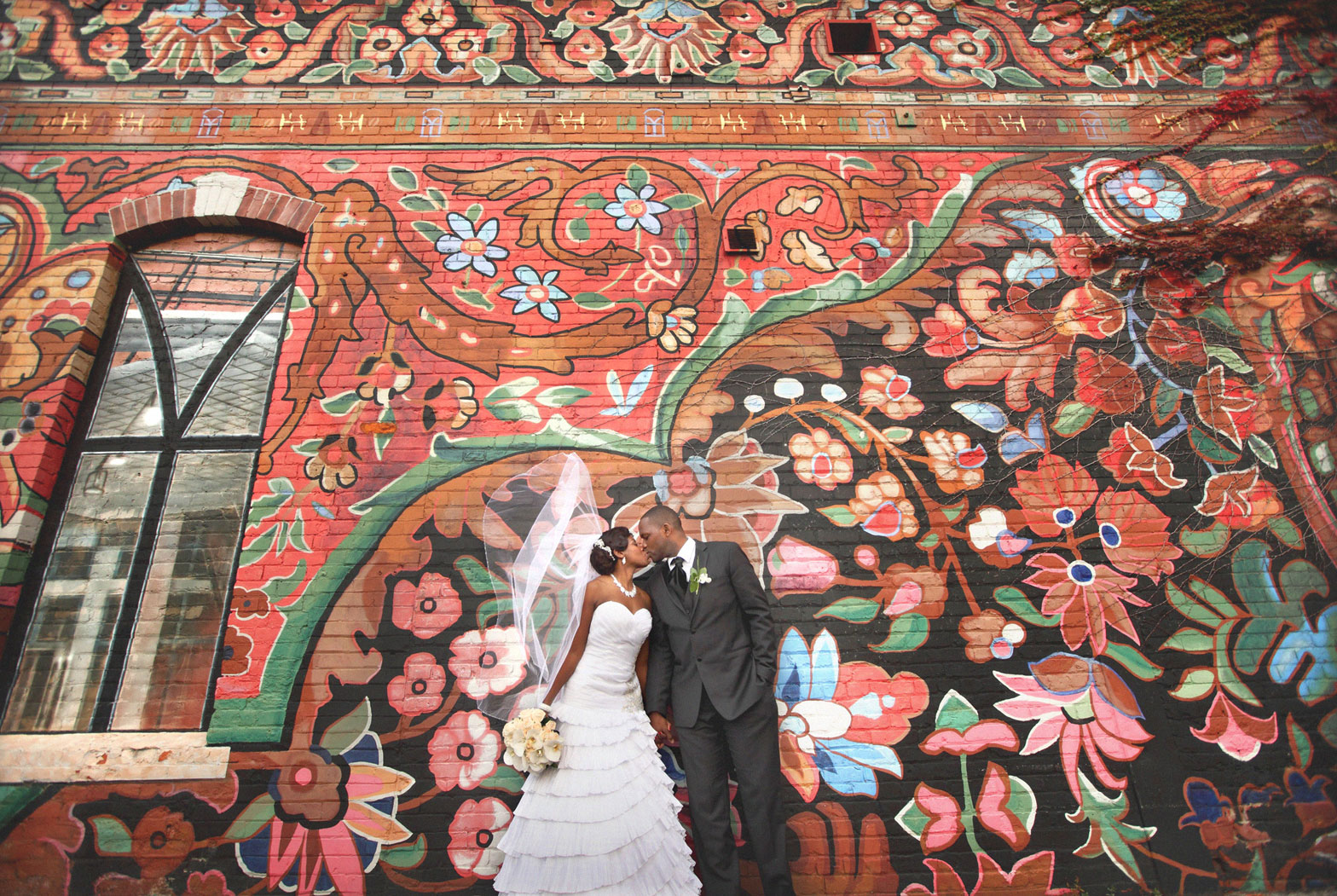
Destination coverage is strongest when each event is photographed for its role, not with the same intensity
A welcome party needs atmosphere, reunions and the first sense of place. The wedding day needs the deepest documentary attention and the cleanest portrait planning. A brunch often needs only a lighter closing approach. When every event is photographed with the same expectation, the weekend can start feeling repetitive. The strongest Cartagena coverage usually changes its pace from chapter to chapter.
This matters for both budget and energy. Couples do not always need maximum coverage everywhere. They need clear decisions about where the emotional weight of the story actually lives.
The most useful photography plan is the one that respects how the weekend feels to the couple and their guests
In Cartagena, photography becomes stronger when it follows the emotional stamina of the weekend. Guests may be arriving from several countries, adjusting to heat, moving across the old city, or splitting their energy between hosted events and their own travel experience. A good coverage plan understands that reality. It does not assume every chapter should be photographed as if the couple and the guests have endless time and attention.
This is especially true for family portraits and transition moments. A couple may technically be able to stop for one more portrait block, but if the family has already been waiting in formalwear or the cocktail hour is carrying the emotional momentum of the evening, photography benefits more from protecting flow than from adding one more location. Good destination coverage is often an editing decision before it is a camera decision.
That is why this page works best alongside Cartagena Wedding Weekend Guide and Cartagena Wedding Logistics. Coverage becomes more confident once the guest story and the movement story are both clear.
La cobertura de destino funciona mejor cuando cada evento se fotografía según su función y no con la misma intensidad
Una bienvenida necesita atmósfera, reencuentros y la primera sensación de lugar. El día de boda necesita la atención documental más profunda y la mejor organización de retratos. Un brunch muchas veces solo necesita un cierre más liviano. Cuando todo se fotografía con la misma expectativa, el fin de semana puede empezar a sentirse repetitivo. La cobertura más fuerte en Cartagena casi siempre cambia de ritmo entre capítulos.
Esto importa tanto para presupuesto como para energía. Las parejas no siempre necesitan máxima cobertura en todas partes. Necesitan claridad sobre dónde vive de verdad el peso emocional de la historia.
Strong daylight, softer evening, more atmospheric night
Cartagena often gives couples several visual worlds in one day. Midday can be bright and reflective. Late afternoon becomes warmer and more forgiving. Night brings a more intimate, cinematic atmosphere. Good coverage respects those differences instead of expecting every part of the day to behave the same way.
Comfort affects the photographs indirectly
When guests or family members are overheated, portraits slow down, ceremonies feel heavier and patience disappears faster. Good photography planning in Cartagena is partly about protecting energy.
Colonial spaces need restraint
Historic streets, courtyards and churches already carry strong visual language. The photographs usually work best when the couple remains central and the setting supports the story instead of dominating every frame.
Transitions shape the gallery
A wedding with church, portraits and reception in different places can produce wonderful variety, but only if the movement between those chapters stays realistic for the couple and their families.
Cartagena portraits work best when they fit the day, not when they interrupt it
Couples are often drawn to colonial streets, balconies, rooftops and courtyards, and for good reason. But the best portraits rarely come from turning the wedding day into a location tour. They come from choosing one or two meaningful windows with the right light and enough calm. That may be before the ceremony, during a short sunset pocket, or within a quick transition between spaces.
Family portraits deserve the same kind of planning. In Cartagena, heat and guest movement can make family-photo sessions feel longer than they actually are. The cleaner the grouping list and the clearer the meeting point, the more relaxed those photographs become. This is particularly important for weddings involving churches, older relatives or guests who have already spent time outdoors.
Couples planning a full weekend should also decide which events deserve their own visual identity. A welcome evening, a rehearsal dinner, a beach day and the wedding itself should not all be photographed in exactly the same way. Different events often need different levels of polish and different levels of interruption.
Family photographs improve dramatically when the structure is simple
The biggest family-photo problem in Cartagena is rarely time on paper. It is confusion in practice. Once guests are warm, moving between spaces or distracted by the destination, even a short grouping list can start to feel slow. Couples usually do best by keeping the family sequence compact, choosing one clear meeting point and deciding in advance who is responsible for gathering each branch of the family.
Church weddings often benefit from doing immediate-family groupings right after the ceremony, before congratulations stretch too long. Hotel weddings may have a little more flexibility, especially if there is a comfortable shaded area nearby. Beach and island weddings often improve when groupings are trimmed further, simply because the environment asks more of everyone physically. None of that makes the photographs less meaningful. It usually makes them calmer and better organized.
It also helps to decide whether the family photographs are primarily formal, lightly relaxed or mixed. A clear answer changes how much time should be protected and how much direction people will need. Families tend to respond better when the couple knows what matters most rather than trying to make every grouping look like a full editorial portrait.
Discipline matters most at entrances and exits
Church ceremonies can be emotionally powerful, but they move quickly. The couple's arrival, the exit, the first family congratulations and the transition to portraits all benefit from a clear plan.
Wind and timing change the feel
Rooftops can be stunning for portraits and cocktails, but wind, hair, veils and direct sun all affect how much time should be spent there.
Movement becomes part of the story
Beach and boat coverage usually benefits from simpler expectations. The texture of the day matters more than overdirecting every moment.
Coverage should follow emotional value, not only event count
Not every chapter needs the same amount of coverage. The key is deciding which events actually matter most to the way the couple wants to remember the weekend.
Different events usually deserve different levels of photographic attention
A welcome event often works best with lighter, more atmospheric coverage. People are still arriving, greeting one another and settling into the destination. The images that matter most there are usually context, mood and genuine reunions. A full wedding day often needs a more complete documentary approach, stronger timeline discipline and more deliberate portrait planning. A boat day or beach gathering may then ask for something looser again, where texture and spontaneity matter more than formal structure.
Couples often make better decisions when they stop asking whether every event should be covered and start asking what role each event plays in the story of the weekend. Some want the welcome evening because it introduces the destination. Others want only the wedding day photographed in depth, with one short pre-wedding portrait session elsewhere. There is no single correct answer. The key is letting the emotional importance of each chapter shape the coverage, instead of treating every hosted event as equal by default.
This is one of the reasons Cartagena weekends can look especially rich in photographs when the planning is thoughtful. The city gives couples very different visual worlds across a few days, but those worlds only help when the schedule still leaves enough energy for the couple and their guests to stay present inside them.
Each Cartagena venue type changes the photography in a different way
A church wedding often asks for fast transitions and disciplined family timing because the strongest visual moments happen around arrival, processional, exit and the first wave of congratulations. A rooftop celebration may offer beautiful sky and atmosphere, but it can become harder quickly if the couple expects long portrait time in wind or direct sun. A beach wedding gives a more open, relaxed visual language, yet it also demands realistic expectations about heat, hair, movement and how long guests can comfortably remain outdoors.
Hotel weddings often feel calmer in the gallery because getting ready, ceremony, cocktail hour and reception can happen with fewer interruptions. That does not make them visually safer or less interesting. It simply means the couple can often use one or two carefully chosen portrait windows instead of asking the whole day to keep moving for photography. Island and boat-linked formats work differently again. They usually reward lighter direction, stronger anticipation and a clearer sense of which moments are worth protecting versus which ones should simply be observed.
This is why photography planning in Cartagena should always stay close to venue planning. The best visual decisions often happen before the timeline is written, simply because the venue category already tells you what kind of movement, light and guest energy the day will carry.
Where couples usually get the strongest visual return
| If you are deciding between... | The stronger choice is usually... | Why |
|---|---|---|
| Many portrait locations or one strong portrait window | One strong portrait window | Cartagena days usually feel better when photography stays efficient |
| Longer family list or cleaner family structure | Cleaner family structure | Heat and movement punish indecision quickly |
| Coverage of every event or selective weekend coverage | Selective coverage | Different chapters deserve different levels of attention |
| Night portraits or staying in the reception flow | The option that fits the energy of the room | Good photographs depend on momentum, not only on backdrops |
| More styling time or calmer transitions | Calmer transitions | The gallery benefits when the day still feels lived |
The biggest photography mistakes usually start as timeline mistakes
Most coverage problems do not begin with the camera. They begin when the day asks too much of the couple, the family or the guest flow. Portrait windows disappear because travel took longer than expected. Family photos feel rushed because too many people are being gathered in the hottest part of the day. Welcome events become visually thin because everyone arrived tired and the schedule still expected high energy immediately.
The strongest correction is usually not adding more coverage time everywhere. It is deciding which moments deserve protection. If the ceremony matters most, protect the time around it. If the portraits matter most, protect one real window. If guest interaction is central to the story, stop overprogramming the in-between moments. Good wedding photography in Cartagena usually follows a well-paced day much more than a heavily optimized shot list.
For couples still shaping those decisions, this guide pairs well with Cartagena Wedding Timeline and Cartagena Wedding Weekend Guide.
Common Cartagena photography questions
When is the best time for portraits?
Usually when the light softens and the couple still has enough energy to enjoy them, often before sunset or in a calm pre-ceremony window.
Do beach weddings need a different photography approach?
Yes. Wind, heat, sand and open space all change how portraits and documentary moments behave.
Should couples leave the reception for night portraits?
Only if it fits the pace of the evening naturally. A short, intentional window can work well; a long disappearance usually does not.
Are church weddings harder to photograph?
They are more timing-sensitive, especially at entry and exit, but they can be incredibly strong when the day is well organized.
Do welcome events deserve coverage?
Often yes, if they add context, atmosphere and meaningful family moments to the story of the weekend.
What affects family portraits most?
Clear groupings, one defined meeting point and avoiding long waits in the heat.
How much does weather change the photography?
Quite a lot. Weather affects comfort, timing, location choice and how much movement makes sense.
What page should couples read next?
The destination guide, logistics guide and the venue category that best matches the wedding format they are considering.
Strong coverage starts with a weekend that already makes sense
Share the venue direction, ceremony format and how many events you want photographed. From there the right Cartagena coverage strategy becomes much easier to define.