Cartagena Wedding Timeline
A Cartagena wedding weekend usually benefits from earlier planning than couples first expect because venue category, hotel strategy, guest travel and climate decisions all affect one another. The goal of a timeline is not to create pressure. It is to give the destination enough lead time that the celebration still feels calm by the time guests arrive.
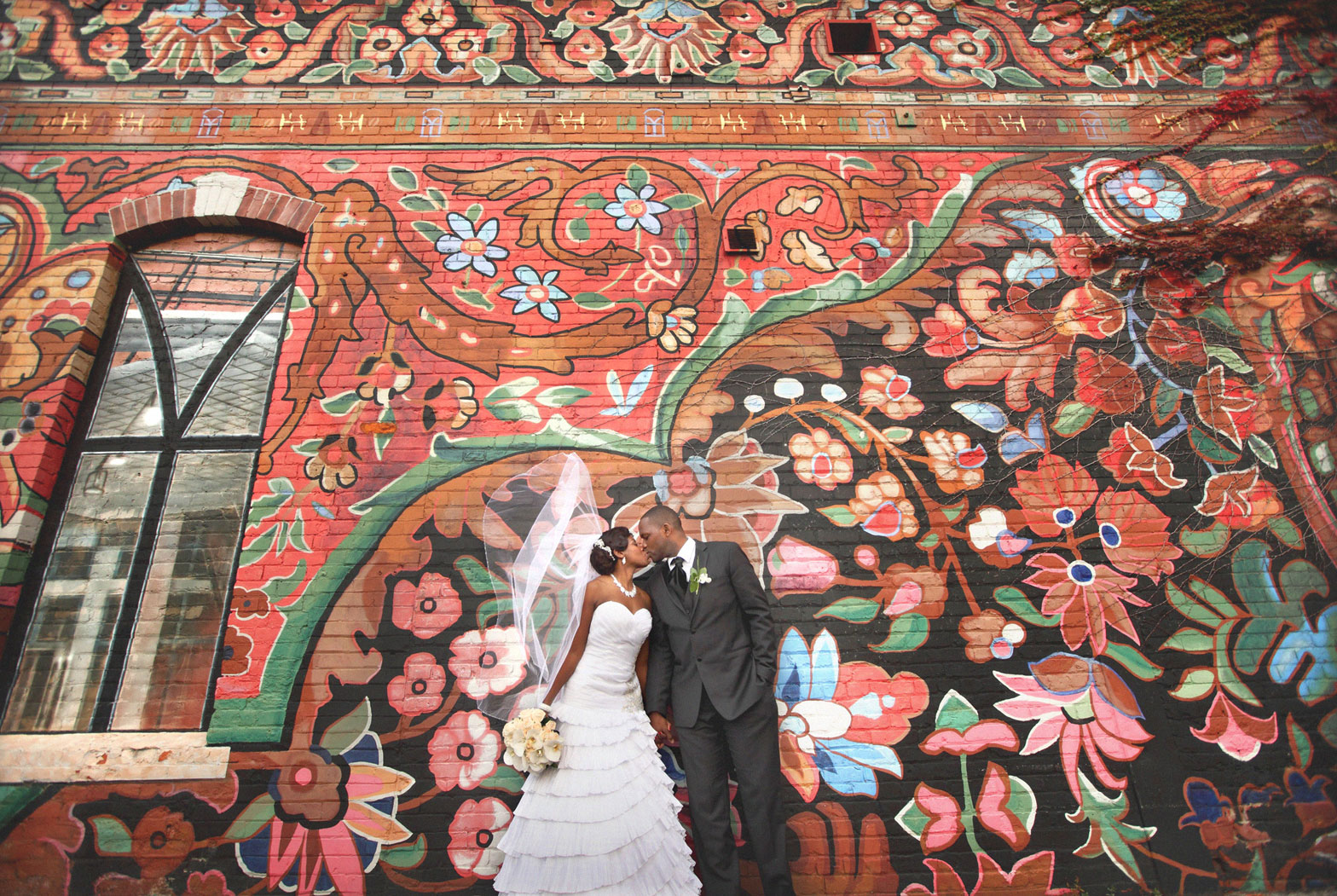
At the end, the timeline should read more like a calm sequence than a wish list
By the time the Cartagena wedding week arrives, the final schedule should answer a few simple questions clearly. Where does each important person start? Who is moving with the couple? Where do family portraits happen? How much weather flexibility exists? When do guests need guidance and when can they move naturally? If those answers are hard to find, the timeline probably still contains too many assumptions.
A good final timeline also reads cleanly for different people. The couple needs the emotional sequence. The planner needs the operational version. The photography team needs timing around light, portraits and family structure. Drivers or transport leads need only the movement points. That separation is part of what keeps the day feeling calm.
Choose the destination format before choosing the smaller details
This is when the big structure should become clear. Are you planning an old-city wedding with a church and reception nearby? A hotel-centered weekend? A beach event? An island experience? Those choices immediately affect the venue search, hotel conversations, weather tolerance, budget range and guest communication style.
It is also the right moment to review Best Wedding Venues in Cartagena and the main category pages: luxury, historic and colonial, beach, and island. Couples who start with visuals alone often find themselves rethinking the entire structure later.
Al final, el cronograma debería leerse más como una secuencia serena que como una lista de deseos
Cuando llega la semana de la boda en Cartagena, el horario final debería responder algunas preguntas con mucha claridad. ¿Dónde empieza cada persona importante? ¿Quién se mueve con la pareja? ¿Dónde pasan las fotos familiares? ¿Qué tanto juego real existe si cambia el clima? ¿En qué momentos los invitados necesitan guía y en cuáles pueden fluir solos? Si esas respuestas no aparecen fácil, el cronograma todavía tiene demasiados supuestos.
Un buen cronograma final también se lee distinto según quién lo use. La pareja necesita la secuencia emocional. La planner necesita la versión operativa. Foto necesita tiempos de luz, retratos y familia. Transporte necesita únicamente los puntos de movimiento. Esa separación es parte de lo que mantiene el día tranquilo.
Secure the weekend framework
Once the venue direction is chosen, couples usually begin confirming hotels, welcome-event options, and the broad guest-experience plan. This is also the right stage to decide whether the wedding includes a church ceremony, a beach event, or boat-linked movement that needs earlier coordination.
Shift from selection to communication
The destination becomes easier once guests start receiving clear information. Save-the-date timing, hotel recommendations, travel notes, and broad event structure matter here. The goal is not to send every detail early. The goal is to remove uncertainty.
Refine logistics and guest care
This is where transport, family coordination, accessibility considerations, and weather backup need sharper definition. Couples should also start mapping which events actually require photography and what the wedding day flow will likely look like.
Reduce moving parts, do not add new ones
Late planning should focus on clarity, not expansion. Confirm arrival logic, ceremony timing, family-photo structure, transport windows, and the practical order of the day. New ideas are usually more expensive and less helpful at this stage.
The day-of timeline improves when it starts months earlier
Couples sometimes think the day-of schedule gets built in the final weeks, but Cartagena proves otherwise. Heat, sunset, guest movement, church timing, and portrait windows all depend on earlier choices. If the venue category and guest logistics have been chosen well, the actual wedding-day timeline usually feels simpler. If those earlier layers remain loose, the wedding-day schedule becomes a problem-solving document instead of a calm plan.
This is why the planning cluster works best together. Cartagena Wedding Weekend Guide explains what each hosted event should do. Cartagena Wedding Budget Guide explains what that structure costs. Best Time for a Destination Wedding in Cartagena helps couples think about season, humidity and rain. And Cartagena Wedding Photography Guide shows how the final timing affects the actual visual result.
Send information in stages so guests can actually use it
Destination weddings become harder when guests receive either too little information or every possible detail at once. The clearest rhythm is usually early notice, then practical travel guidance, then a final operational message close to the wedding. That sequence respects how people actually make decisions. First they decide whether they can come. Then they book flights and rooms. Later they need departure times, addresses and dress-code clarity.
For Cartagena specifically, the middle communication stage often matters more than couples expect. This is where guests need to understand whether the weekend is centered in the old city, in one hotel, or partly on the coast. They need to know if one event involves a boat, if certain shoes will be unhelpful on stone streets, or if a welcome event is more relaxed than the wedding day itself. The point is not to overexplain the city. It is to remove practical uncertainty before people arrive.
The final communication stage should feel shorter and calmer. By then the guests do not need inspiration. They need clean operational notes: meeting times, transport windows, weather expectations, hydration reminders and one point of contact. Couples who keep this structure in mind usually avoid the last-week scramble where every guest is sending a different logistics question at once.
Use the last weeks to simplify the weekend, not to keep adding to it
The last month should narrow the plan. That means confirming the family-photo list, checking guest arrival logic, tightening ceremony start times, and deciding which transitions genuinely need transport support. It also means looking at the weekend with fresh eyes and asking where people may become tired, overheated or confused. Small adjustments here often do more for the experience than any late decorative addition.
This is also when couples benefit from protecting the emotional center of the celebration. If the wedding day is the priority, the final weeks should reduce the number of open questions around it. If the weekend depends on multiple events, each one should already know its role. The goal is not to eliminate spontaneity. It is to remove avoidable decision-making from the last days before guests begin arriving.
Cartagena tends to reward couples who stop optimizing too late. At a certain point, the best timeline move is not finding one more possible improvement. It is locking the sequence, briefing the right people and leaving enough room for the destination to breathe.
Three months out is when the Cartagena plan has to become operational, not aspirational
By the twelve-week mark, the weekend should no longer live mostly as ideas. This is when the guest count begins to feel more real, room-block decisions need to tighten, and the couple should know whether the structure is church-led, hotel-led, beach-led or island-dependent. It is also the point where every outstanding “we will decide later” item starts to compete with communication and logistics.
For Cartagena weddings, this checkpoint matters because so many later decisions depend on it. Transport planning, portrait timing, ceremony hour, welcome-event tone, weather backup and family-photo flow all become easier once the weekend format is no longer shifting. If the wedding still feels structurally undecided at twelve weeks, the last month almost always becomes busier than it needs to be.
This is also a useful stage for reading the planning pages together instead of in isolation. Cartagena Wedding Logistics helps pressure-test movement. Cartagena Wedding Budget Guide helps catch cost drift before final commitments. Church vs Beach vs Hotel Wedding in Cartagena helps couples clarify whether the ceremony style still matches the weekend they are building.
The final week works best when it protects calm instead of inviting last-minute creativity
The last week before a Cartagena wedding should feel like a confirmation week, not a reinvention week. Couples still need enough flexibility for delayed flights, weather shifts and family movement, but the structure of the weekend should already be settled. At this point, the most valuable work is making sure everyone important understands the same version of the plan.
That means confirming pickup times, distributing contact points, reviewing family-photo names, checking ceremony and reception timing one last time, and making sure the couple themselves still have room to breathe. It also means resisting the temptation to add one more stop, one more decorative idea or one more “quick” transition. In Cartagena, those late additions often cost more energy than they are worth.
If the week feels crowded, simplify the experience rather than forcing the schedule to absorb more. Destination weddings almost always benefit more from clearer pacing than from extra layers. Guests remember whether the day felt settled. They rarely remember the idea that was removed in time.
Match the planning pace to the type of Cartagena wedding you are actually building
| If your wedding behaves like... | Start prioritizing this early | Why it changes the timeline |
|---|---|---|
| An old-city church wedding | Ceremony timing and guest movement | The day relies on more disciplined transport and family coordination |
| A hotel-centered celebration | Room strategy and contained logistics | Operations get easier, but guest comfort becomes the main promise |
| A beach format | Heat planning and ceremony hour | Comfort and exposure change the schedule more than couples expect |
| An island or boat-linked weekend | Marine logistics and backup structure | Transport and weather shift the sequence earlier than décor ever will |
Timelines improve once family is treated like part of the structure, not a late add-on
Many Cartagena timelines become harder because the family layer is not defined until the final weeks. Parents, siblings, grandparents and children affect where people need to be, how early they need transport, how long group photos can realistically take and whether the ceremony can start cleanly without searching for key people. That is not a small detail. On destination wedding days, family flow often determines whether the schedule feels generous or crowded.
Couples usually do best when they define a few things early: who must be present for preparations, who must arrive before ceremony, which family groups matter most for portraits and who can help gather them. That does not mean creating a rigid military schedule. It means reducing the amount of emotional and logistical improvisation that happens under heat and formalwear.
When the family sequence is protected, almost every other chapter benefits. Portraits feel calmer, cocktail hour begins more cleanly and the couple spends less of the day managing people. In Cartagena, that is one of the clearest ways to make the timeline feel refined rather than reactive.
Common Cartagena planning-timeline questions
How early should couples start?
Twelve to eighteen months is a sensible window for strong dates and preferred venue categories, especially for destination weekends.
When should hotel planning begin?
As soon as the venue direction is clear, because accommodation strategy affects transport and guest communication.
When should guests receive travel information?
Broad travel guidance should come early enough to support booking decisions, even if the detailed itinerary arrives later.
When should couples decide on extra events?
Relatively early. Welcome events, beach days and brunches all affect budget, logistics and guest energy.
Is the day-of timeline built only in the final month?
No. The final schedule depends on venue, season, transport and ceremony format decisions made much earlier.
When should photography priorities be discussed?
Once the weekend structure is clear. That lets couples decide which events need full coverage and which need lighter documentation.
Should couples keep adding events late in the process?
Usually not. Late additions often increase stress more than value.
What is the biggest timeline mistake?
Leaving the destination structure unresolved too long, then trying to solve guest movement and weather in the final weeks.
The clearer the destination structure, the easier the final wedding timeline becomes
Share your month, guest count and the kind of Cartagena weekend you are imagining. That is usually enough to build a more realistic planning sequence.